Lost-Wax Casting in Patan, Step by Step
The mould is destroyed to release the casting, which is why no two bronzes are ever identical. Ten steps from beeswax to a finished figure, and where the real work happens.
By Yugo Bazar · · 3 min read
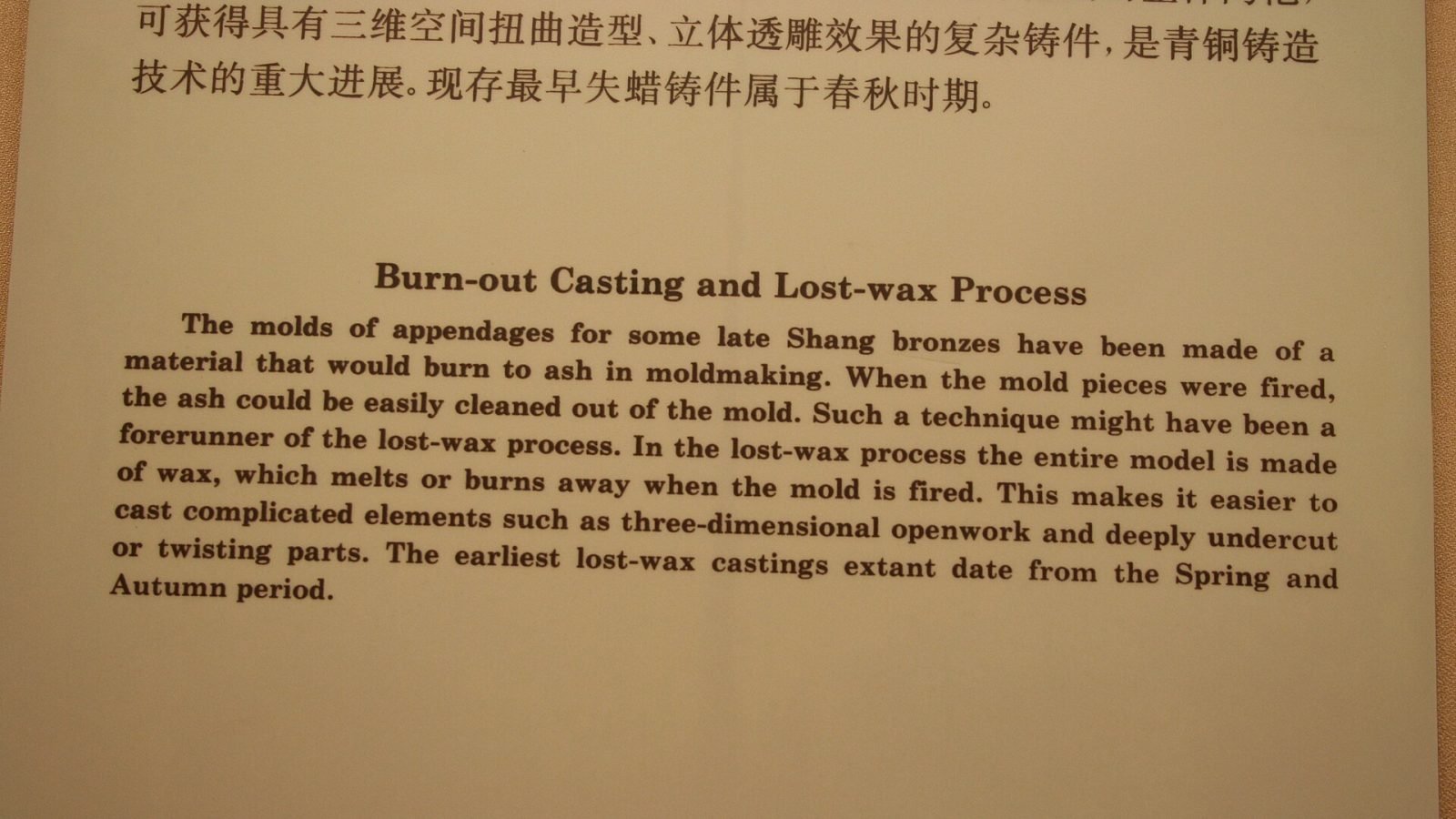
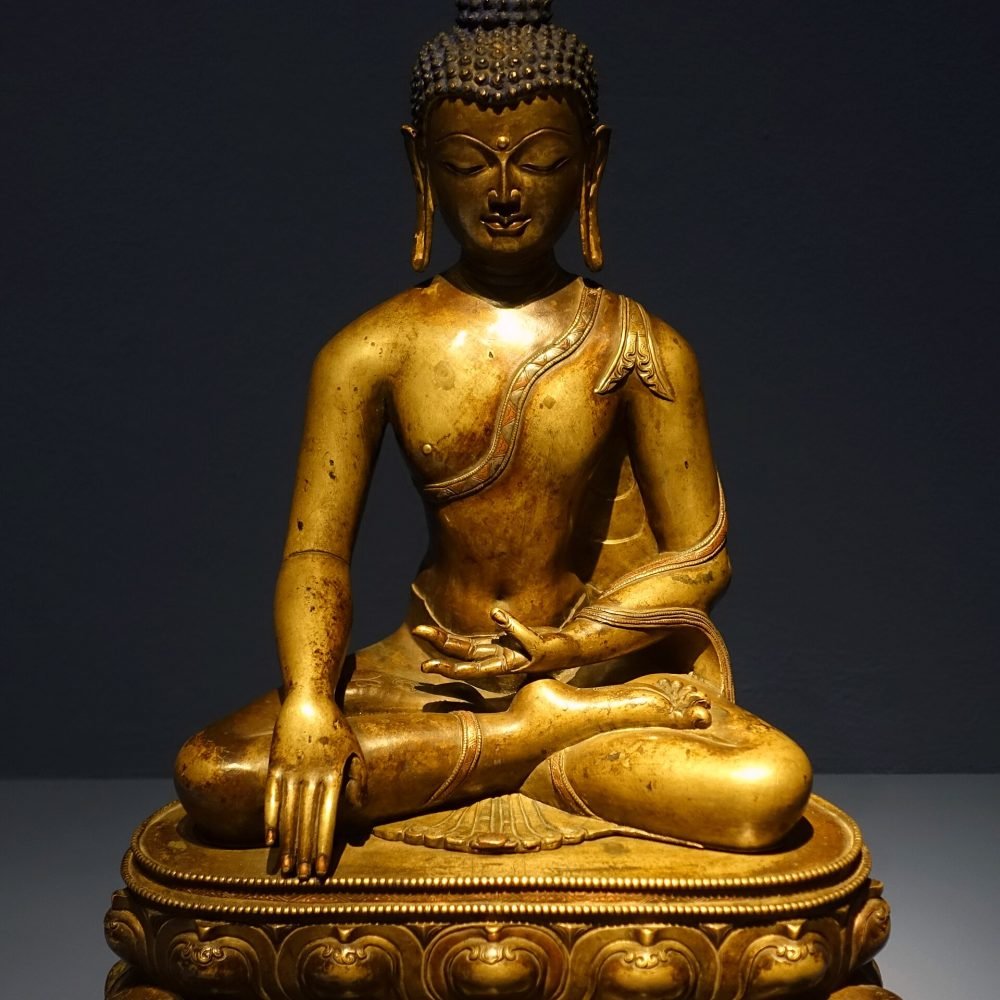
Photo: Gary Todd from Xinzheng, China · CC0 · Wikimedia Commons
Lost-wax casting — cire perdue — is one of the oldest metalworking techniques still in daily use, and the Shakya casting families of Patan have been doing it continuously for something close to a thousand years. The essential idea is simple. The interesting part is how much hand-work sits either side of the pour.
The ten steps
- Model in wax. The figure is sculpted full-size in beeswax mixed with a little resin, over a clay core for hollow castings. Every detail that will exist in the finished bronze has to exist here first.
- Add sprues. Wax rods are attached to form the channels metal will run through and the vents air will escape from. Getting this wrong ruins the casting more often than anything else.
- Invest. The wax is coated in fine clay slurry, then progressively coarser layers, and left to dry between coats. Five to seven layers is typical.
- Burn out. The mould is fired. The wax melts and runs out — this is the "lost" wax — leaving a void the exact shape of the model.
- Pour. Molten bronze or copper goes in at around 1,100 °C. The pour takes seconds after days of preparation.
- Break the mould. The clay is smashed away. It cannot be reused, which is the whole reason every lost-wax casting is unique: there is no master mould anywhere.
- Cut the sprues. The channels come off and the stubs are ground back.
- Chase. Here is where the piece is actually made. Days of punching, scraping, tapping and burnishing with hardened steel tools to bring up robe folds, hair curls, jewellery and facial detail. A raw casting looks soft and vague; chasing is what makes it read.
- Finish. Fire-gilding, cold gold, oxidised patina or polished bare metal, depending on the piece.
- Seal and consecrate. Statues intended for practice are filled with rolled mantras and consecrated, then the base plate is sealed with a double-vajra mark.
Where the price actually goes
People assume the metal is the expensive part. It is not, particularly. The cost is in steps 1 and 8 — the wax modelling and the chasing — because both are pure skilled hours and neither can be shortened. Two statues of the same size and metal can differ by a factor of five in price and the difference will be almost entirely in how many days someone spent chasing the surface.
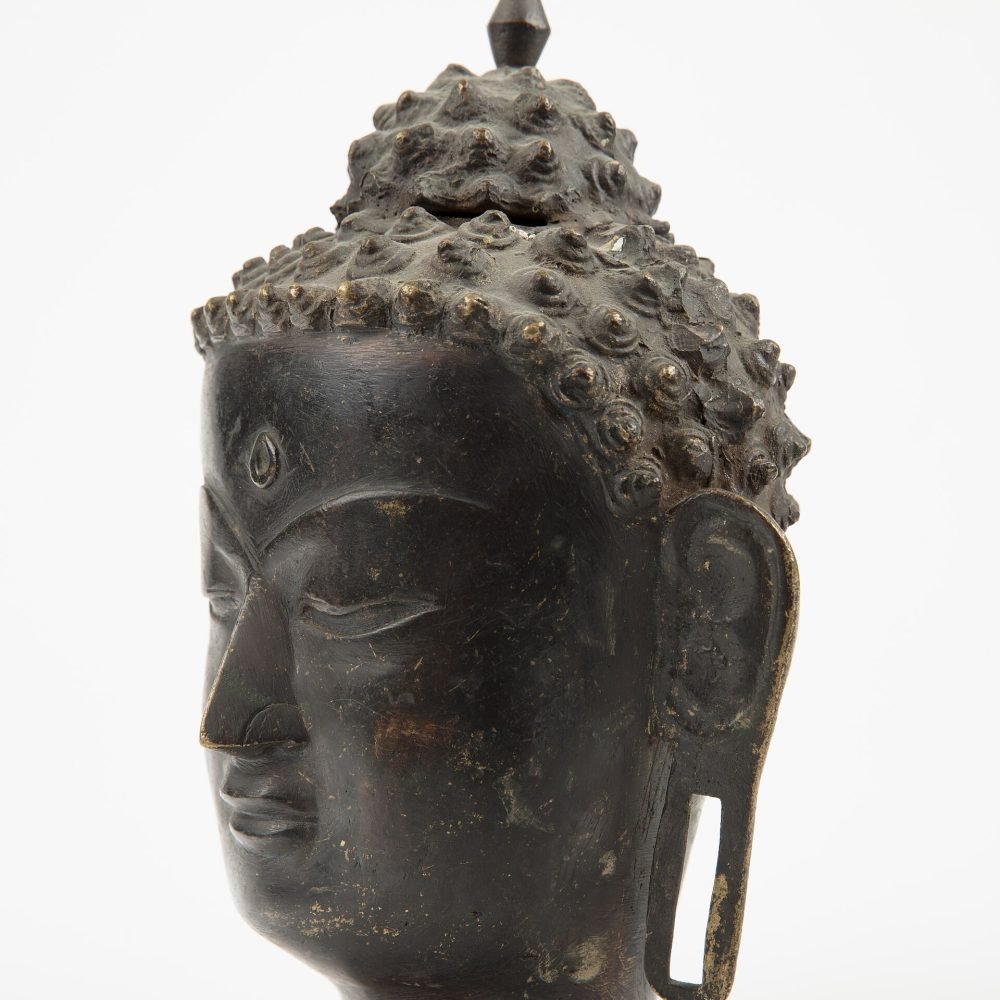
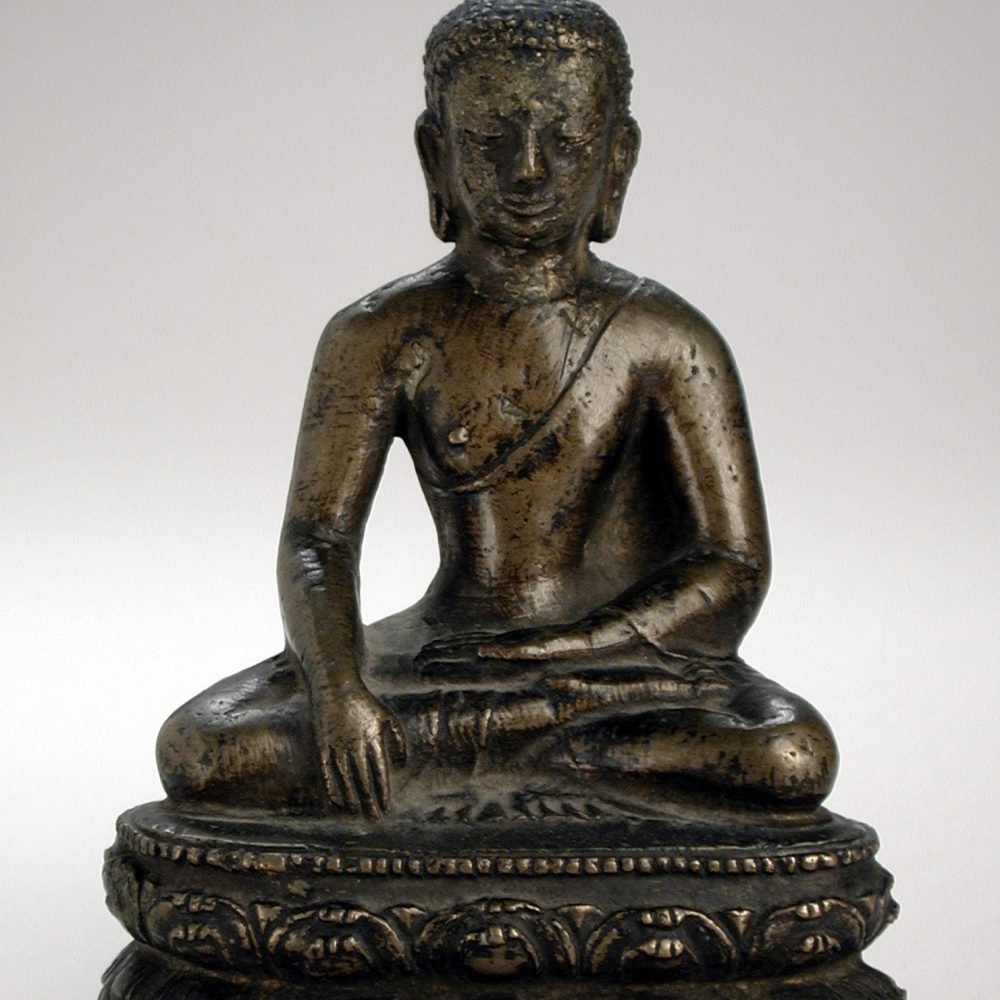
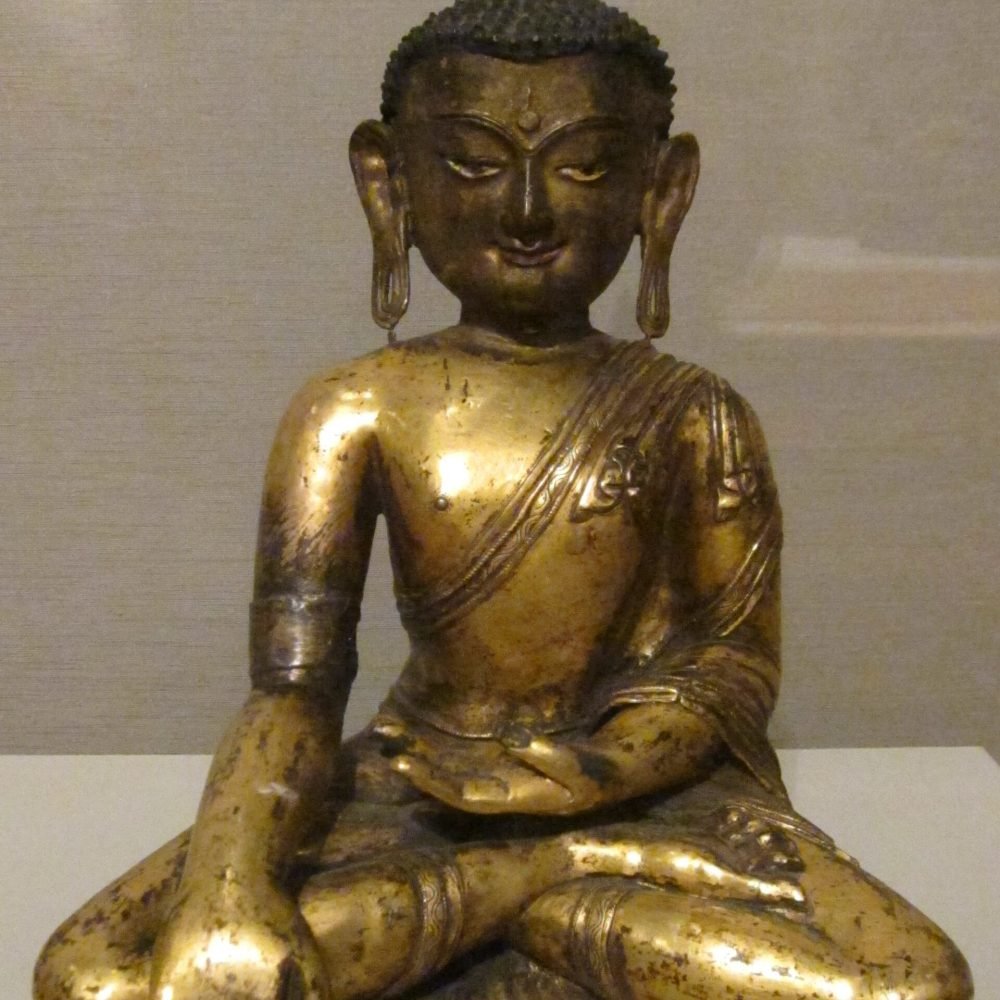
This is also the clearest way to judge a bronze in a shop. Ignore the size. Look at the face, the fingers and the small ornaments, in good light. Crisp, deliberate detail means chasing hours. Soft, rounded, slightly melted-looking detail means it came out of the mould and went almost straight onto the shelf.
How to spot a cast copy of a cast
A workshop can take a finished bronze, make a rubber mould from it, and cast copies in resin or white metal with a bronze coating. These are common and cheap. Tells: they are much too light for their size, the base plate is glued rather than fitted, seam lines run in places a sprue would never go, and a fingernail tap gives a dead click instead of a ring.