
Four generations, one workshop, and a very short supply chain
Yugo Bazar — a marketplace for crafts that have already outlasted several ages, sold in this one.
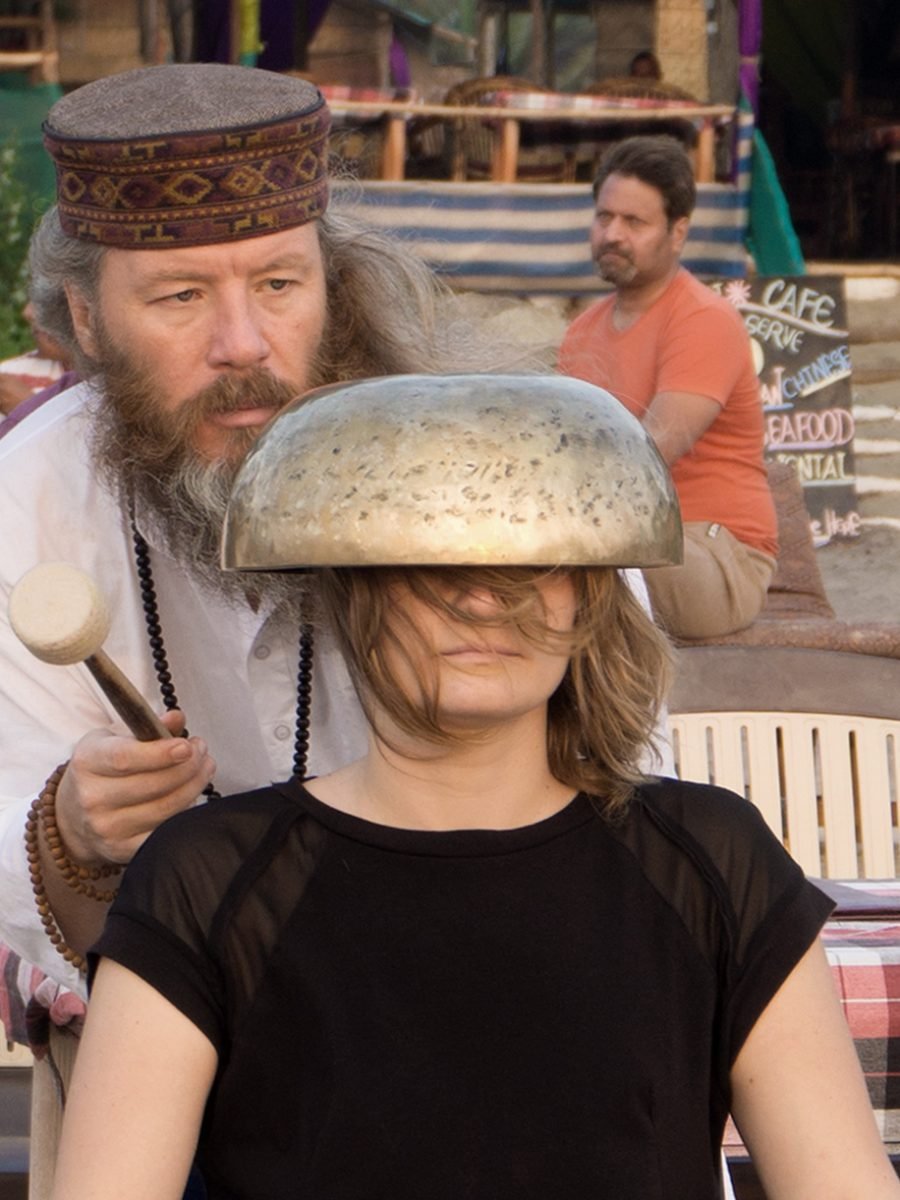
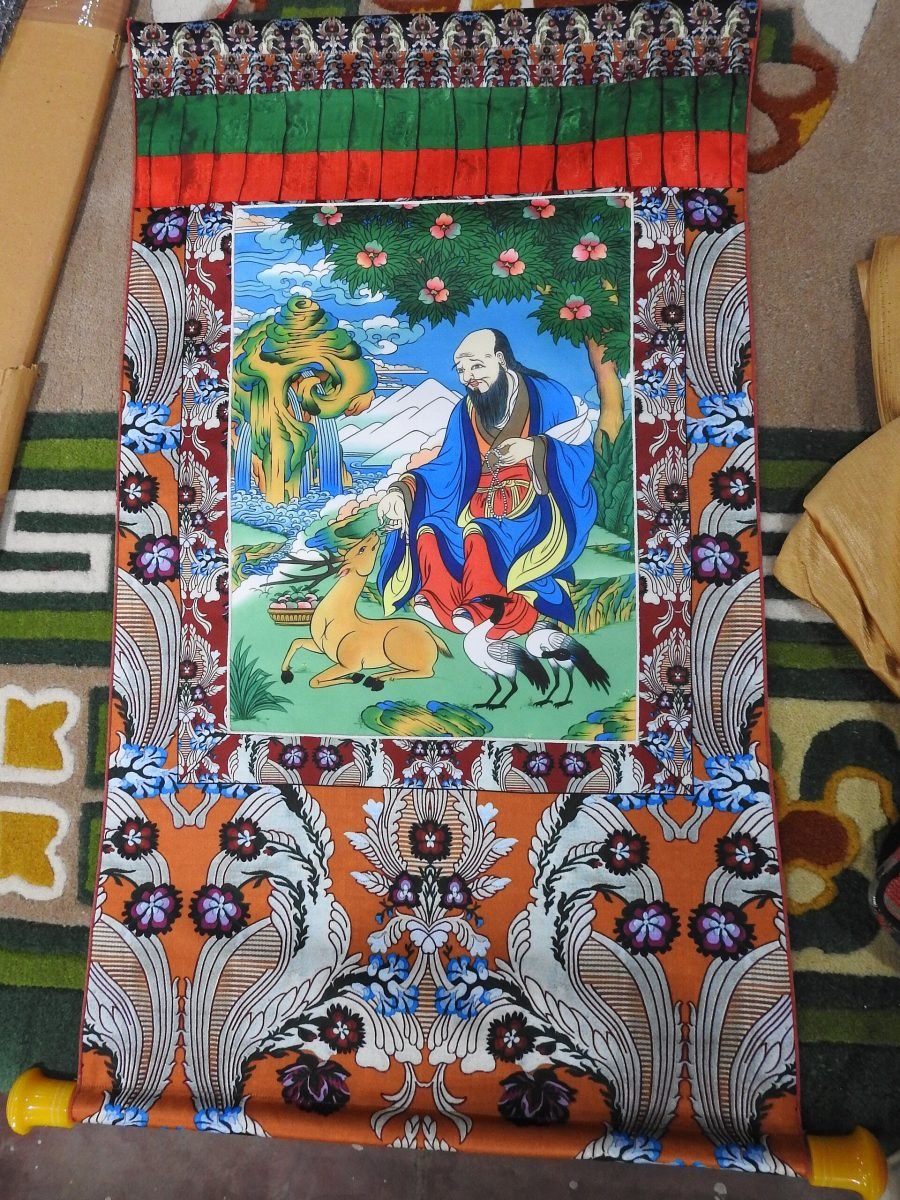
Yug is an age. Bazar is a marketplace. The crafts we sell were worked out over centuries and have barely changed since — a singing bowl is raised the same way it was four hundred years ago, and a thangka is still drawn to a grid set down in scripture. What has changed is the market. That gap is the whole idea behind the name.
We started in a courtyard in Patan, three streets back from Durbar Square, where a friend's family had been raising copper vessels by hand for four generations. They were extraordinary at it. They also had no way at all of reaching anyone outside the valley — every piece went to a wholesaler who paid roughly a third of what it was worth, then sold it on with no idea who had made it.
That is the whole reason this shop exists. Not to discover Nepali craft — it does not need discovering, it has been here for centuries — but to shorten the distance between the person who makes a thing and the person who lives with it.
How we actually buy
We walk into the workshop. We look at what is finished. We choose individual pieces, agree the price the maker asks, and pay it in full before anything leaves the premises. There is no consignment, no thirty-day terms, and no bulk order that pushes a workshop into cutting corners to hit a deadline.
The consequence is a small catalogue. Right now we have 65 pieces across 19 craft traditions, and most of them exist exactly once. We could grow that overnight by buying from consolidators in Thamel — and the moment we did, we would stop being able to tell you who made anything.
What we mean by handmade
The word gets used very loosely. Here is what it means on our pages:
- Hand-beaten — formed from sheet metal with hammers, by a person, over hours or days.
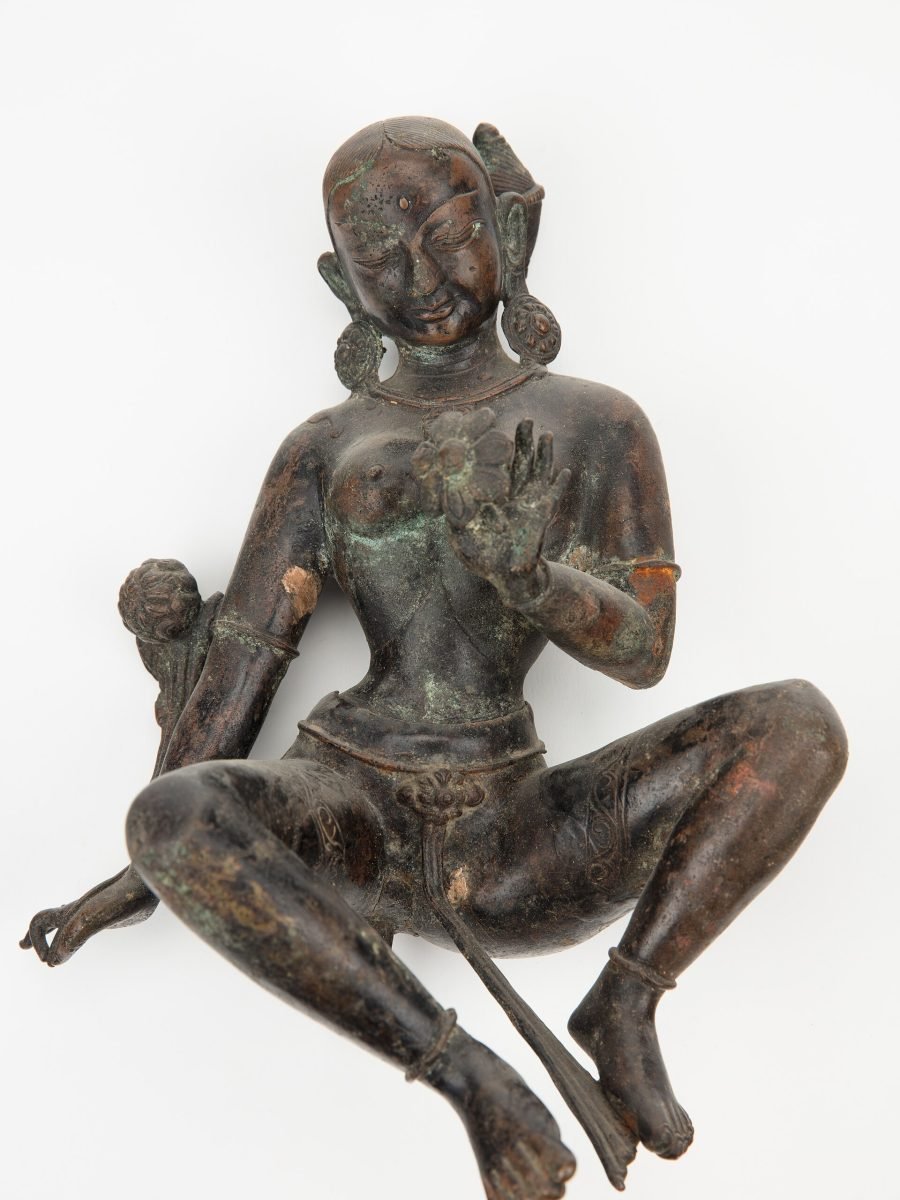
- Lost-wax cast — modelled in wax, encased in clay, the wax burnt out and metal poured in. The mould is destroyed to release the piece, so every casting is unique.
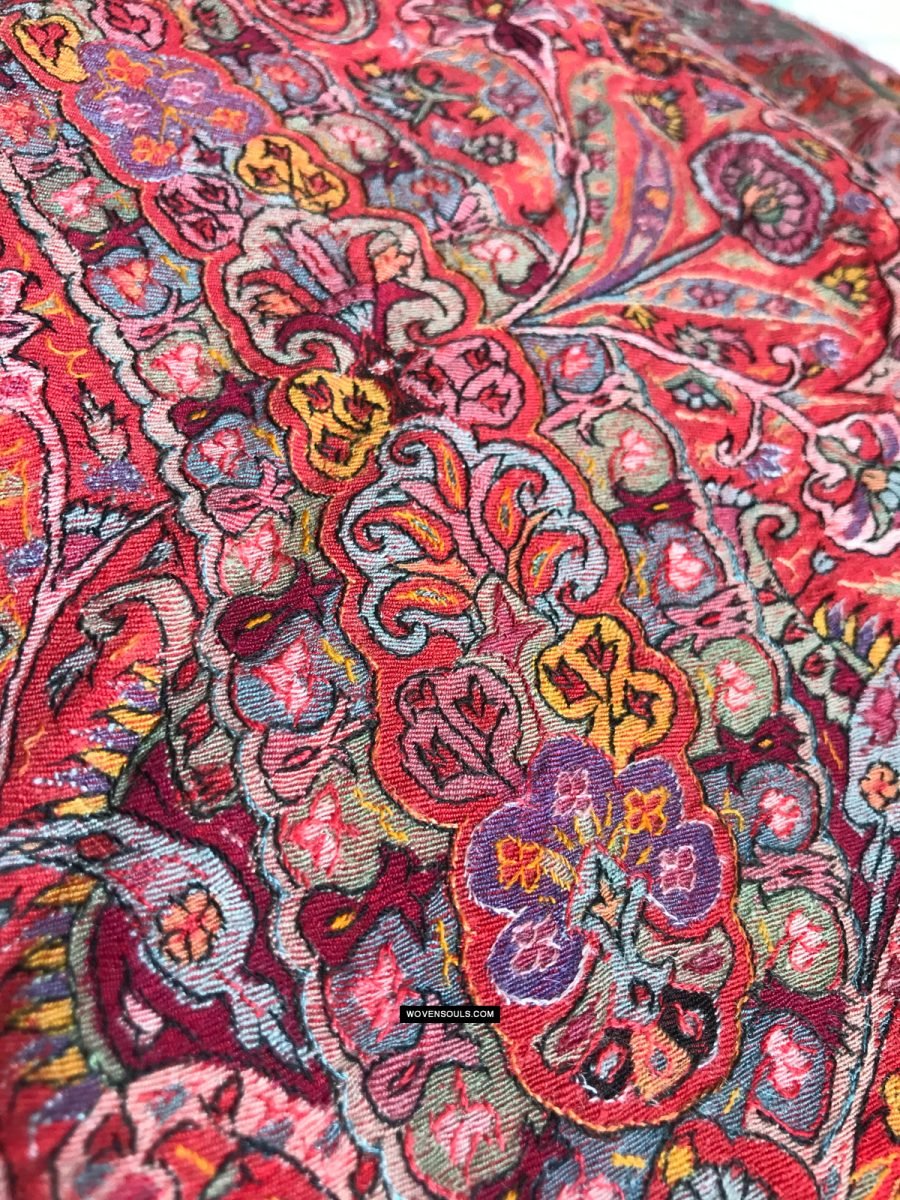
- Hand-woven — on a treadle or backstrap loom, at a few centimetres an hour.
- Hand-painted — with a brush, often a three-hair brush, over weeks for a thangka.
Where any part of a piece is machine-assisted or machine-finished, we say so in the listing. We would rather lose a sale than describe something inaccurately.
Fair price, stated plainly
We are not going to publish a certificate and call it ethics. What we can tell you is specific and checkable: the maker sets the price, we pay it before collection, we do not ask for discounts on repeat orders, and we do not place orders so large that a workshop has to bring in outside labour to fill them.
If we cannot tell you who made it, we do not sell it.
The imperfections are the point
A hand-raised bowl has hammer marks. A cast figure has faint seam lines where the mould met. Hand-dyed felt varies between batches. Lokta paper has fibres and flecks and no two sheets are identical. None of these are faults, and we will not photograph them out. If you want perfect symmetry and repeatable colour, a machine makes that better than a person ever will — and there are plenty of shops selling it.
What you can hold us to
Free shipping, genuinely
No minimum, no surcharge at checkout, no "free shipping" that is priced into the item. Tracked, worldwide. Import duty in your country is yours to pay — we cannot legally cover it, and we say so before you buy rather than after.
30 days, our label
Live with it for a month. If it is wrong for the room, email us and we send a prepaid label. Unused and in its packaging is the only condition.
A person answers
Emails come back within a working day, from someone who has held the piece you are asking about. There is no ticket queue and no chatbot.
Come and see what is in stock
Most pieces are one of a kind. If something is there, it is there — and if it is gone, the maker usually has something comparable on the bench.