
Every craft we carry
Each of these is a separate discipline with its own tools, lineage and neighbourhood. We only add a craft once we know a workshop we can buy from directly.
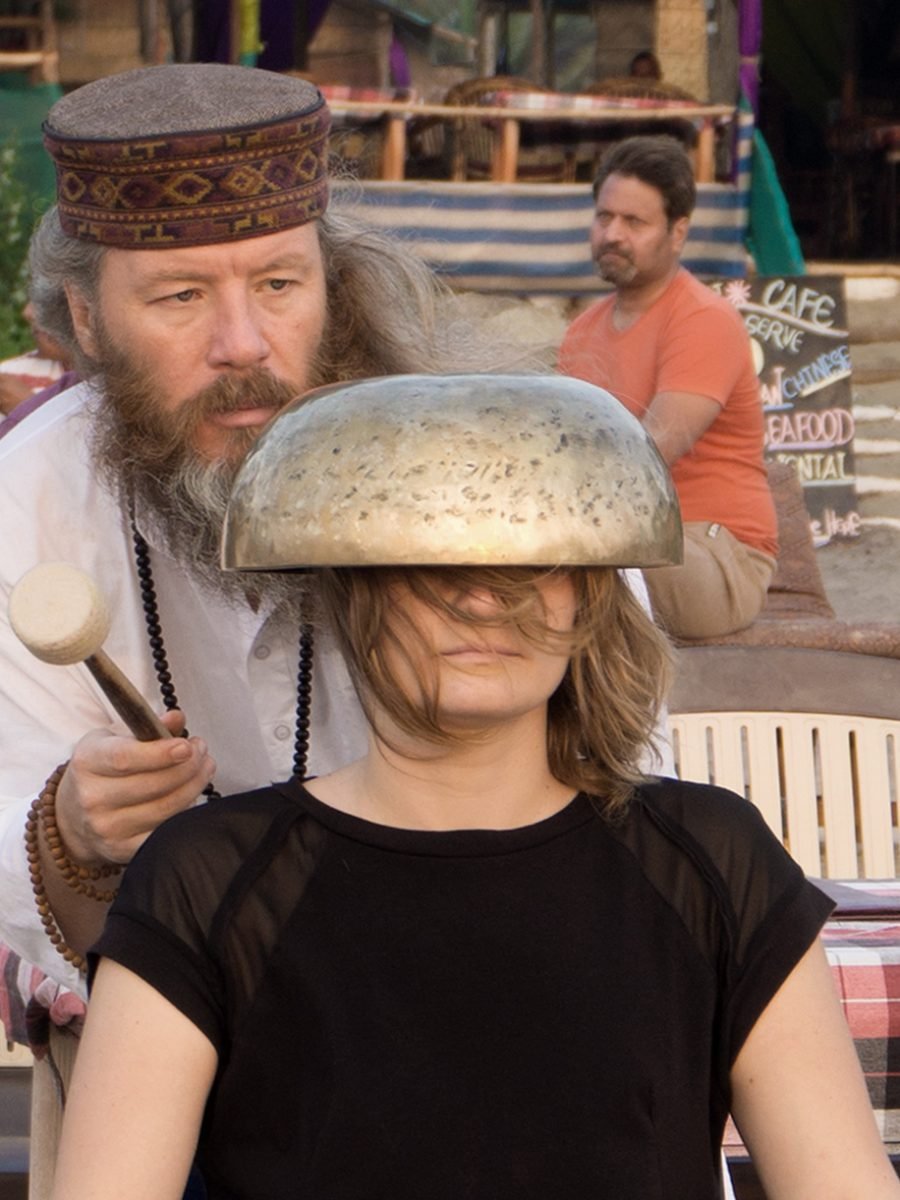 Singing Bowls
5 pieces · Hand-beaten in Patan
Singing Bowls
5 pieces · Hand-beaten in Patan
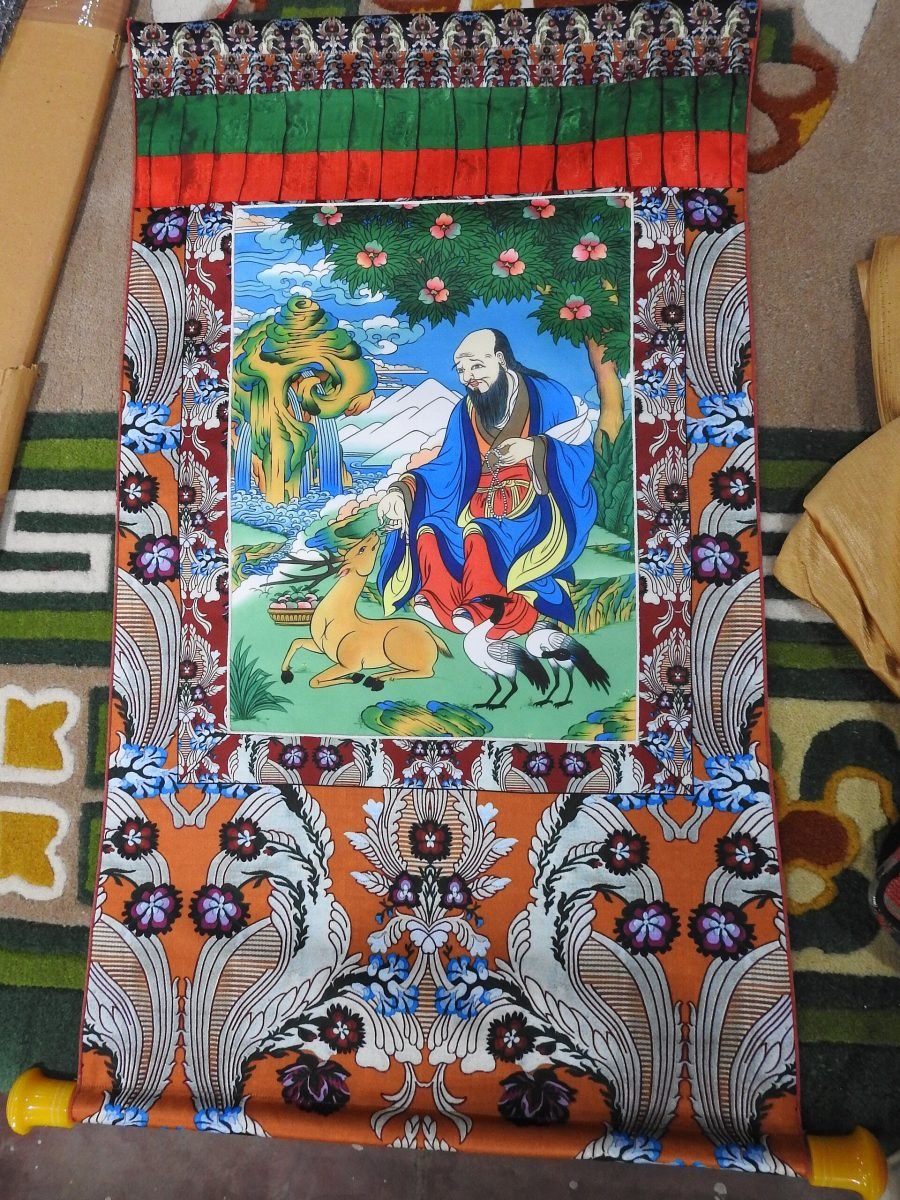 Thangka Paintings
3 pieces · Painted in Boudha
Thangka Paintings
3 pieces · Painted in Boudha
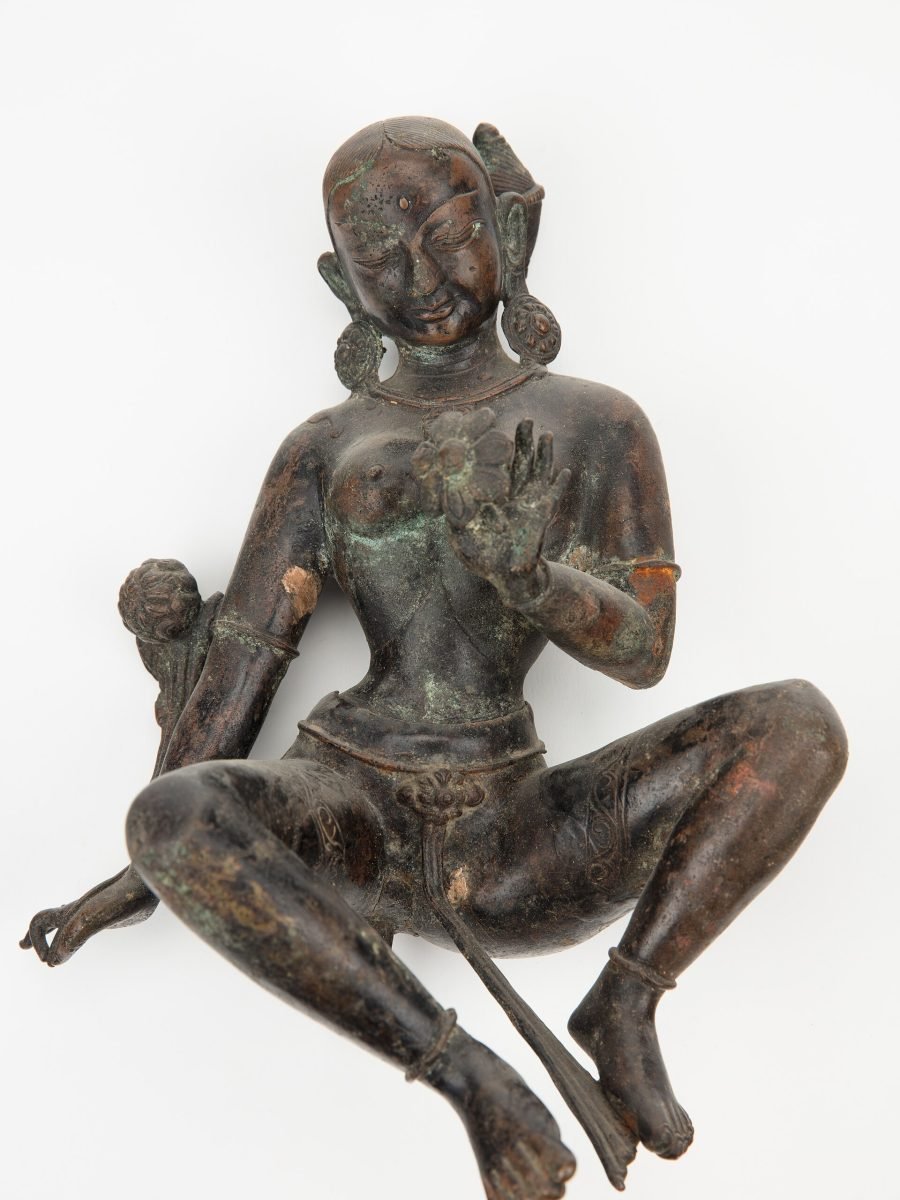 Statues & Metalwork
5 pieces · Lost-wax cast, Patan
Statues & Metalwork
5 pieces · Lost-wax cast, Patan
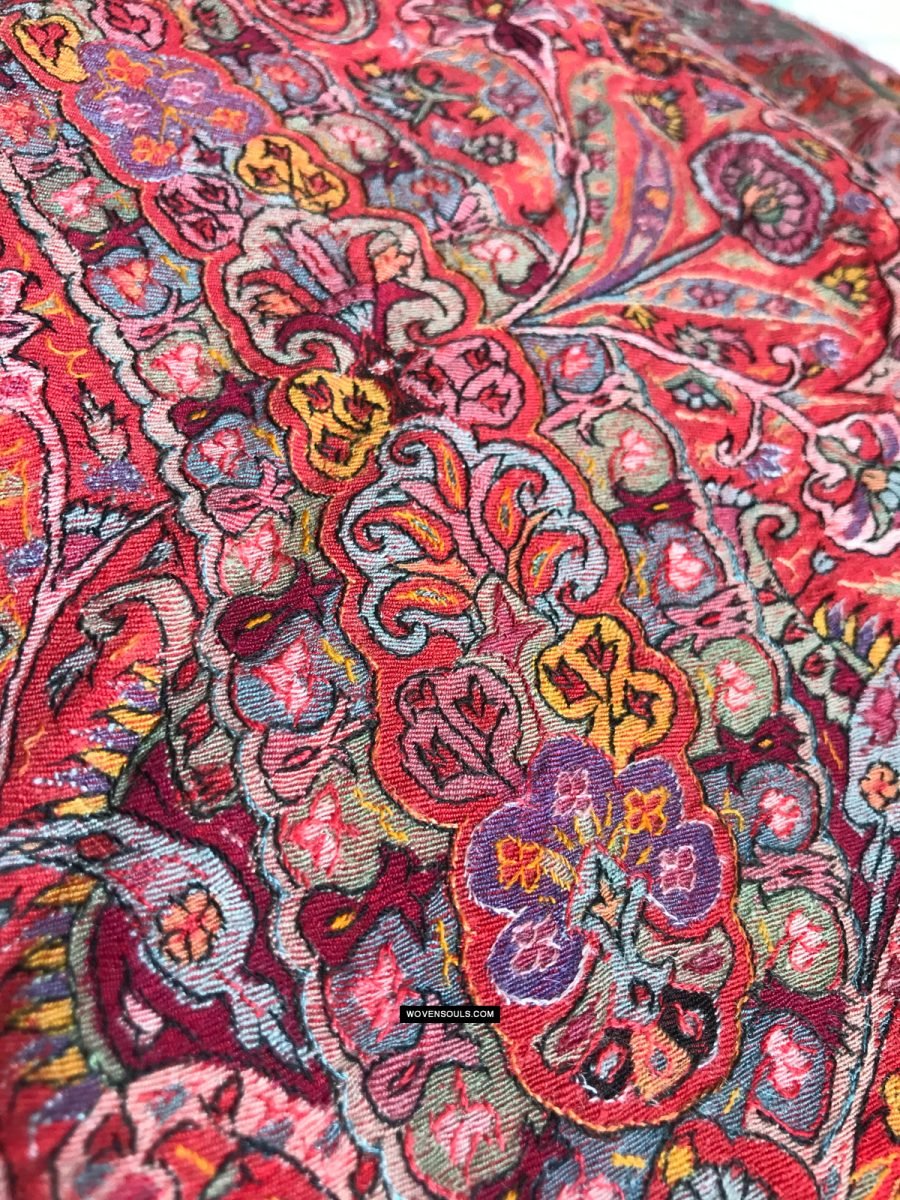 Pashmina & Cashmere
4 pieces · Handwoven in Kathmandu
Pashmina & Cashmere
4 pieces · Handwoven in Kathmandu
 Dhaka Textiles
3 pieces · Handloom, Palpa
Dhaka Textiles
3 pieces · Handloom, Palpa
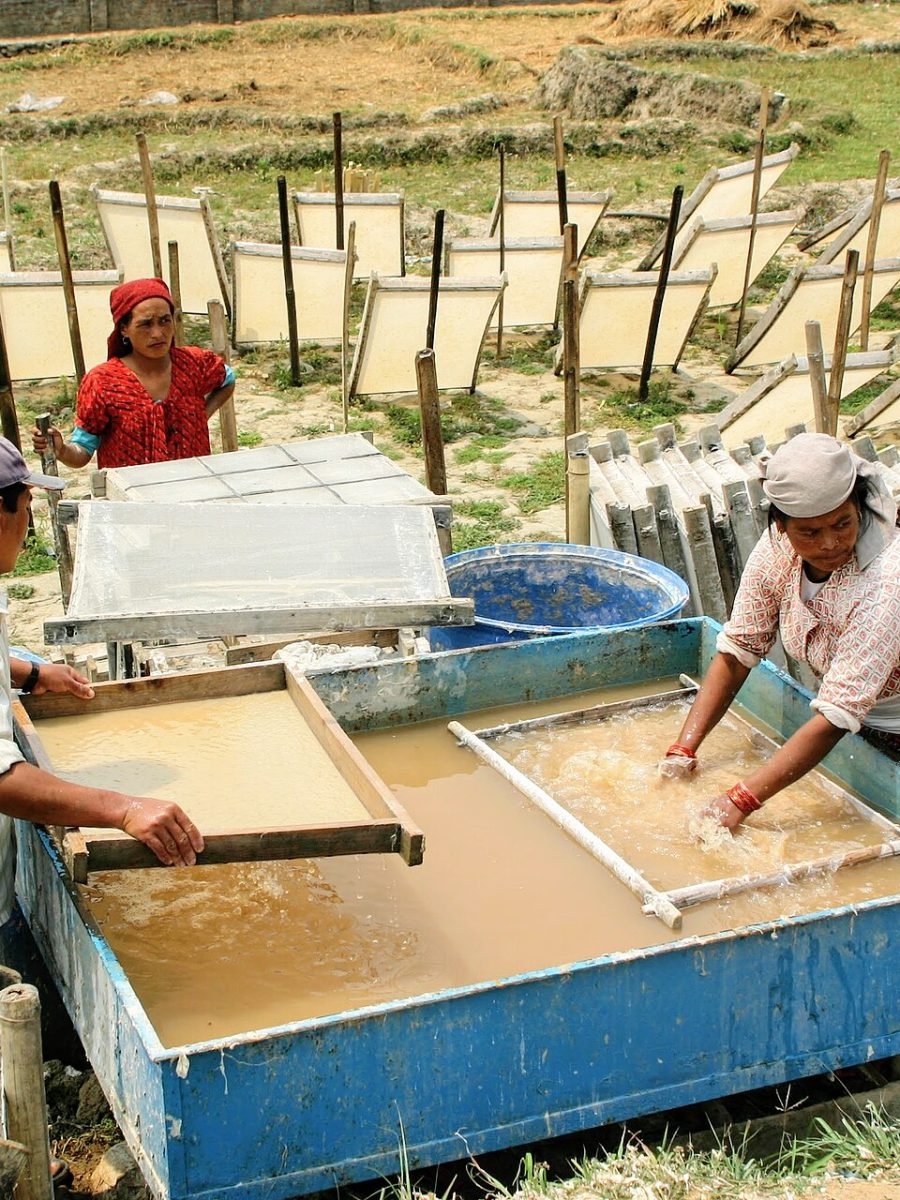 Lokta Paper
4 pieces · Bark paper from Baglung
Lokta Paper
4 pieces · Bark paper from Baglung
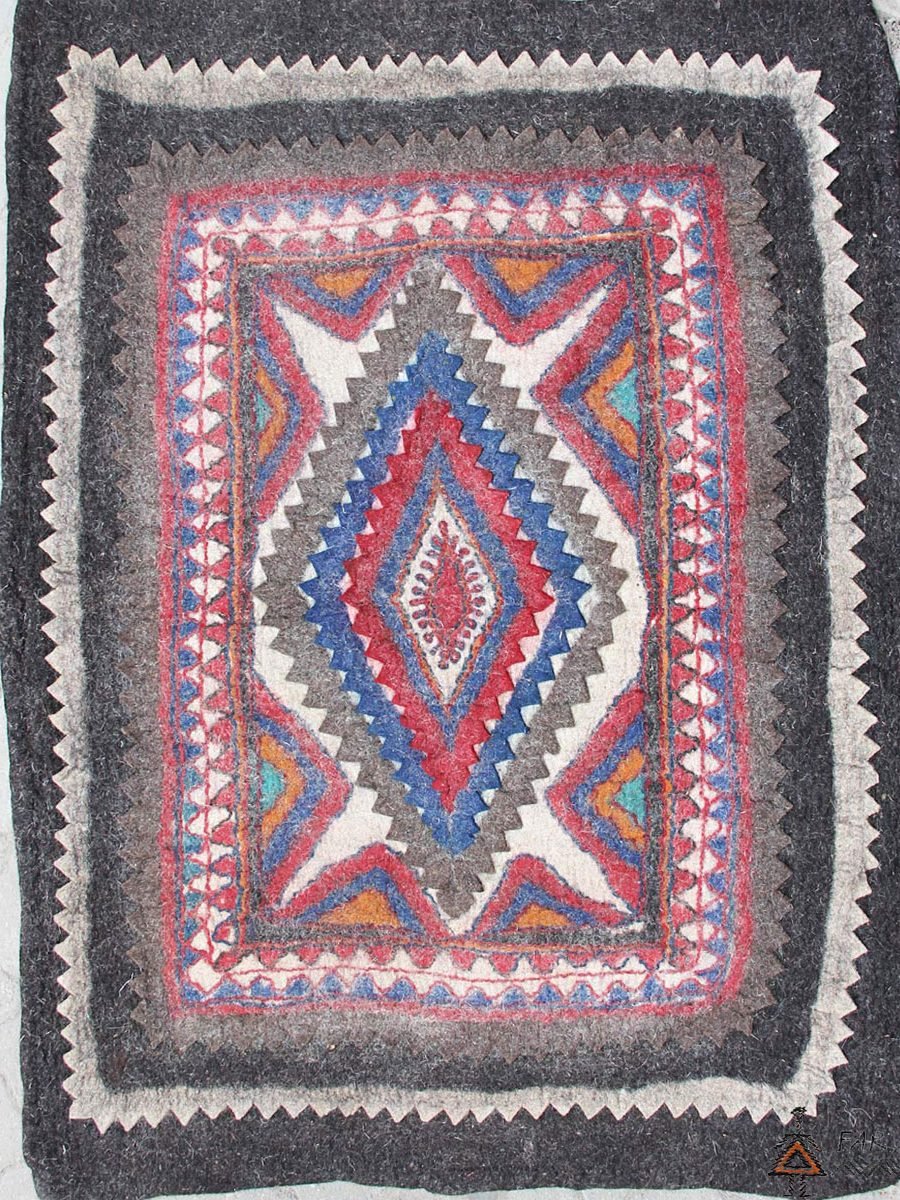 Felt & Wool
4 pieces · Hand-felted in Kathmandu
Felt & Wool
4 pieces · Hand-felted in Kathmandu
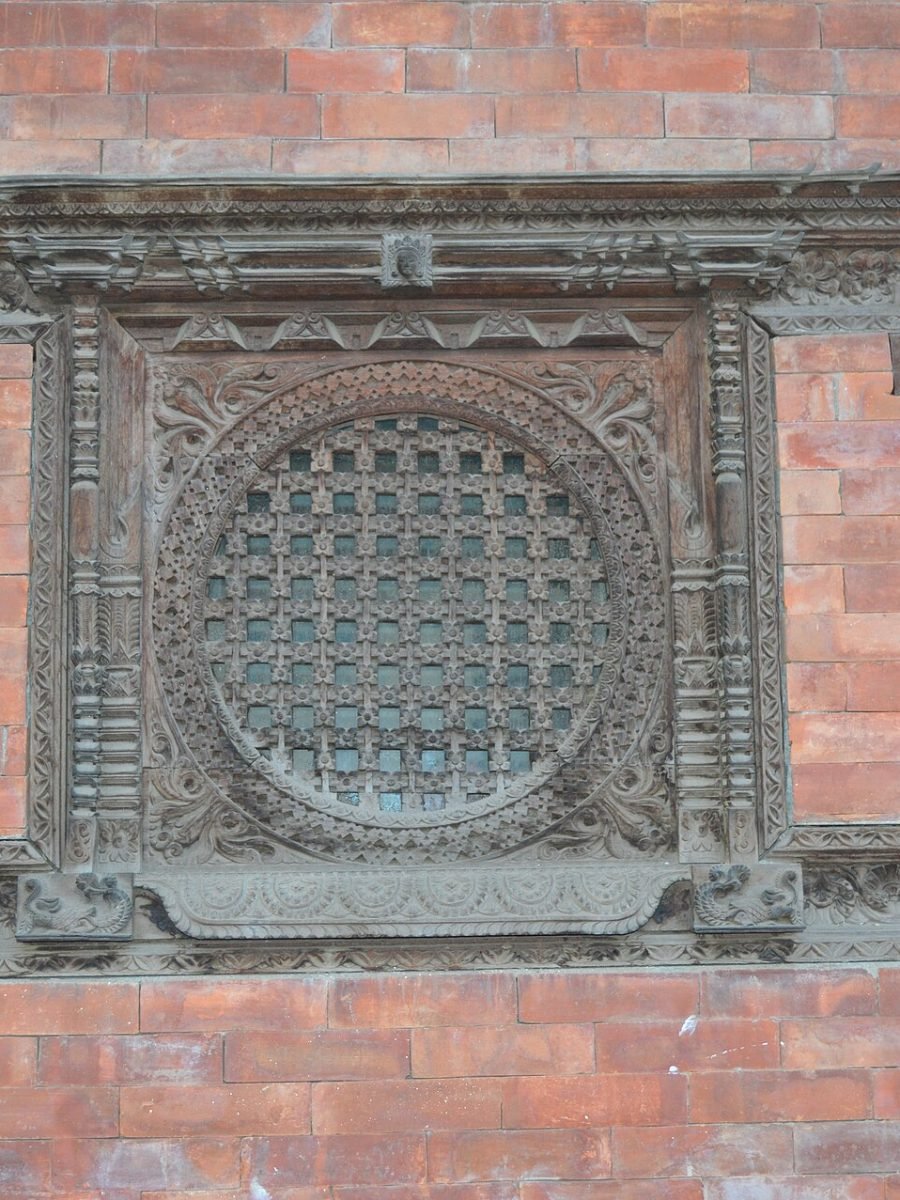 Wood Carving
3 pieces · Newari carving, Bhaktapur
Wood Carving
3 pieces · Newari carving, Bhaktapur
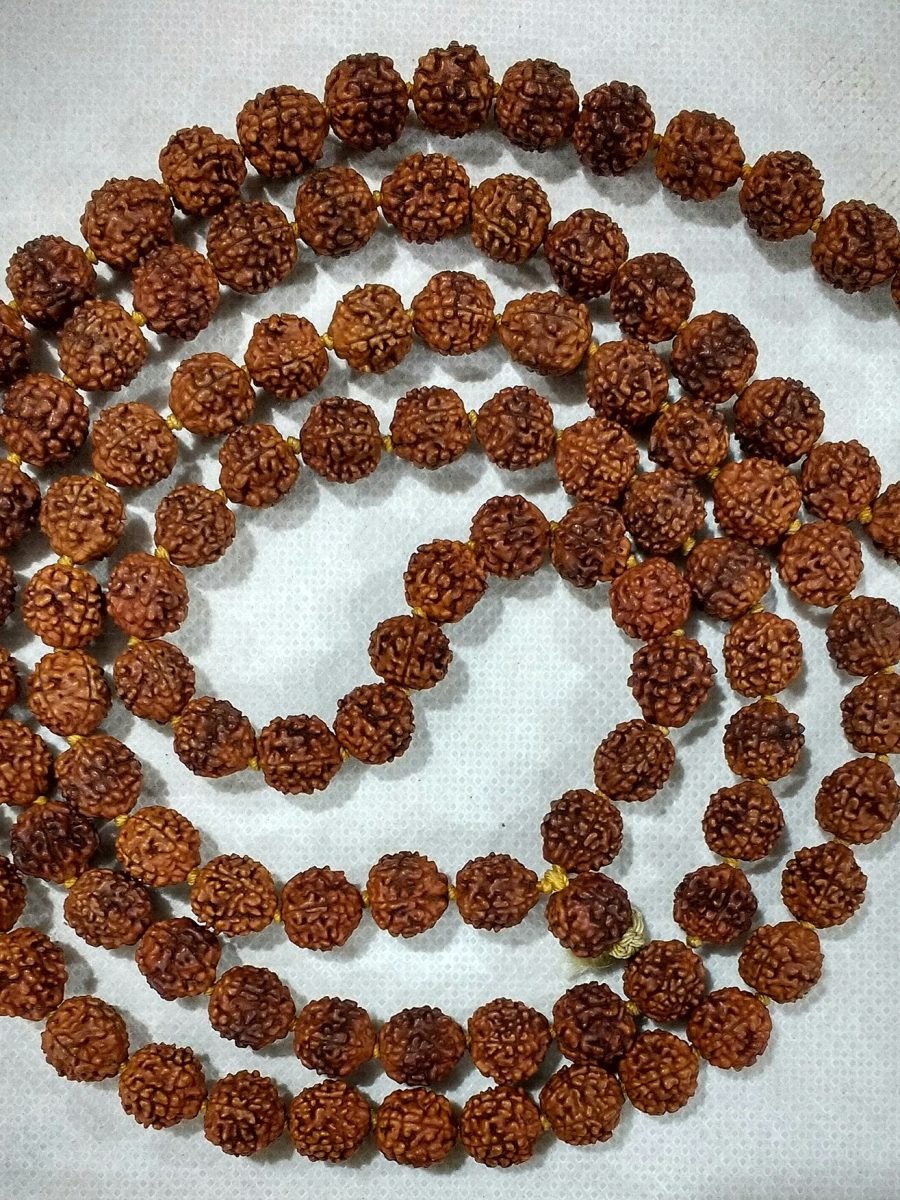 Jewellery & Malas
3 pieces · Silver, turquoise, rudraksha
Jewellery & Malas
3 pieces · Silver, turquoise, rudraksha
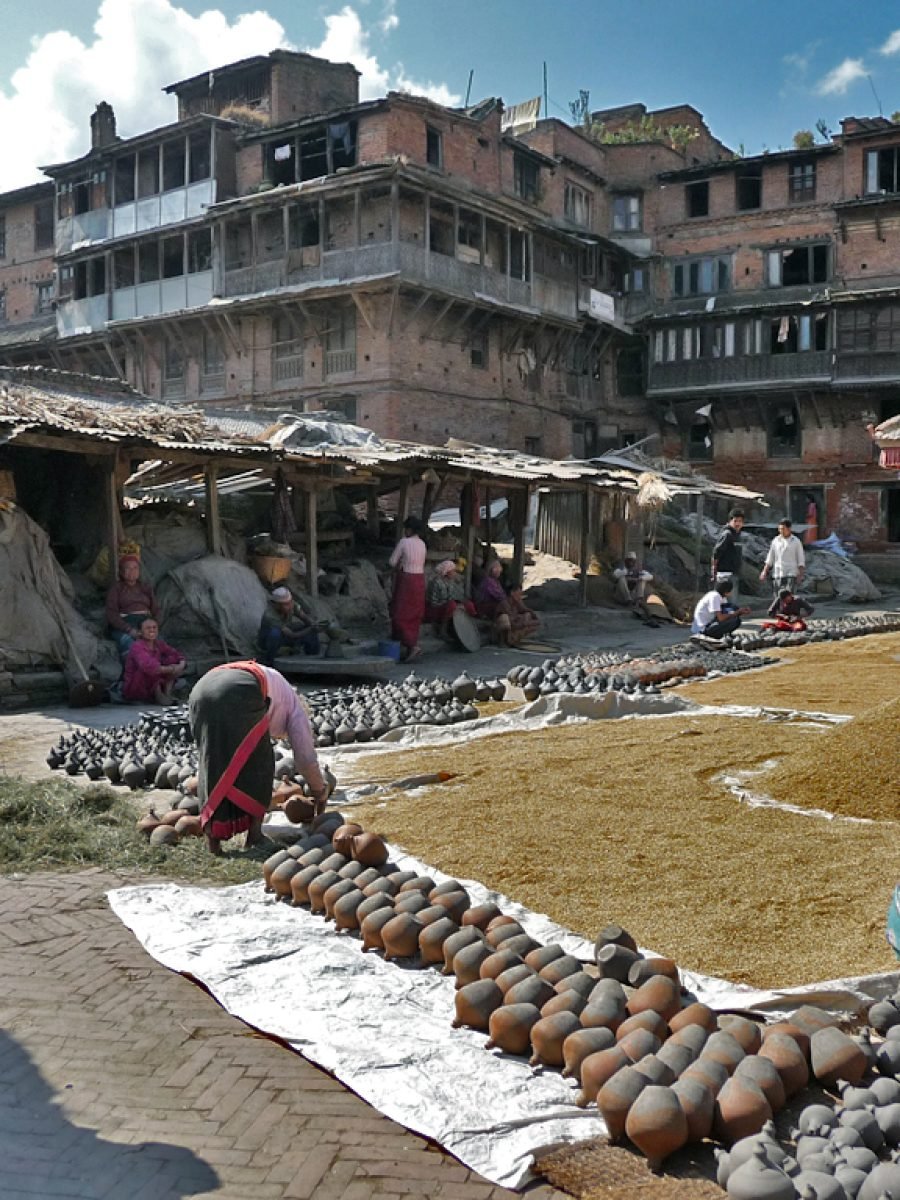 Thimi Pottery
3 pieces · Wheel-thrown in Thimi
Thimi Pottery
3 pieces · Wheel-thrown in Thimi
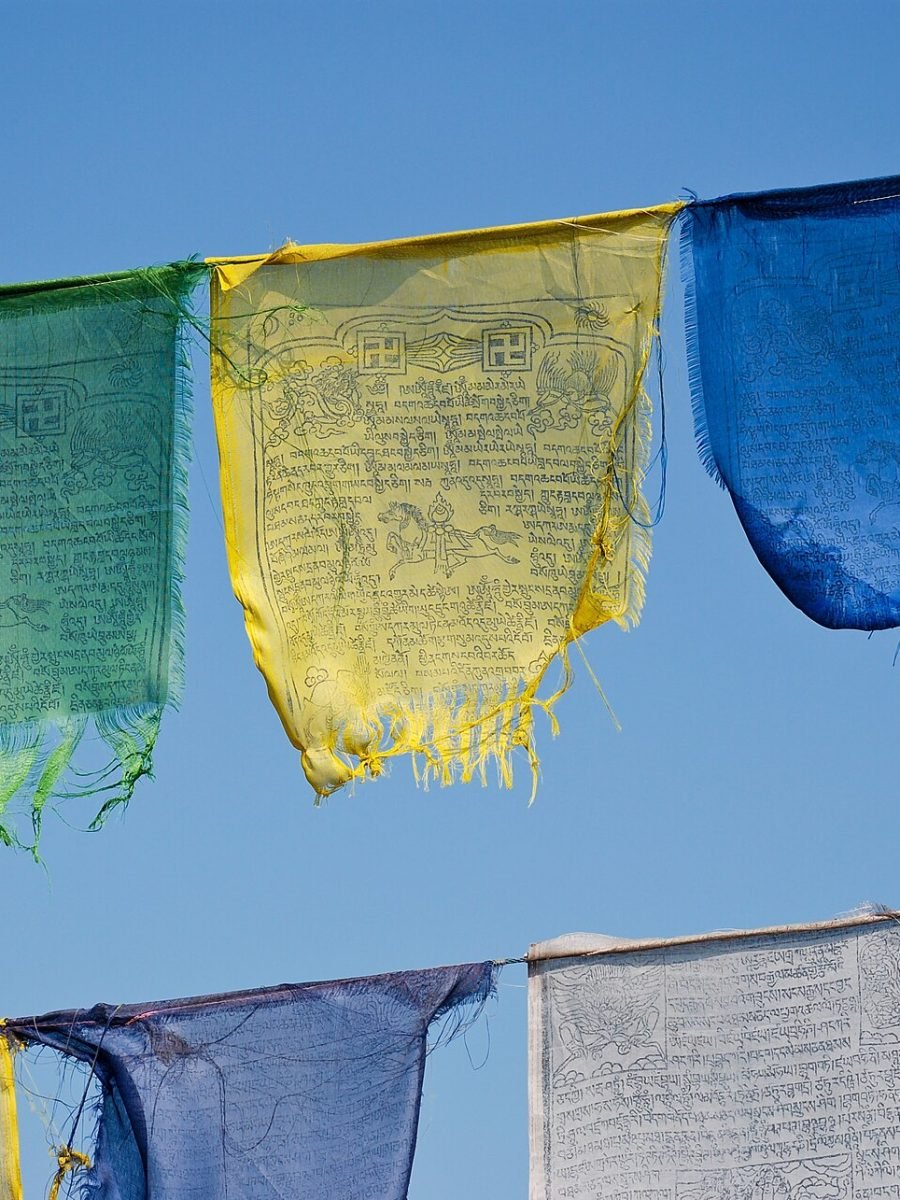 Prayer Flags & Ritual
3 pieces · Block-printed cotton
Prayer Flags & Ritual
3 pieces · Block-printed cotton
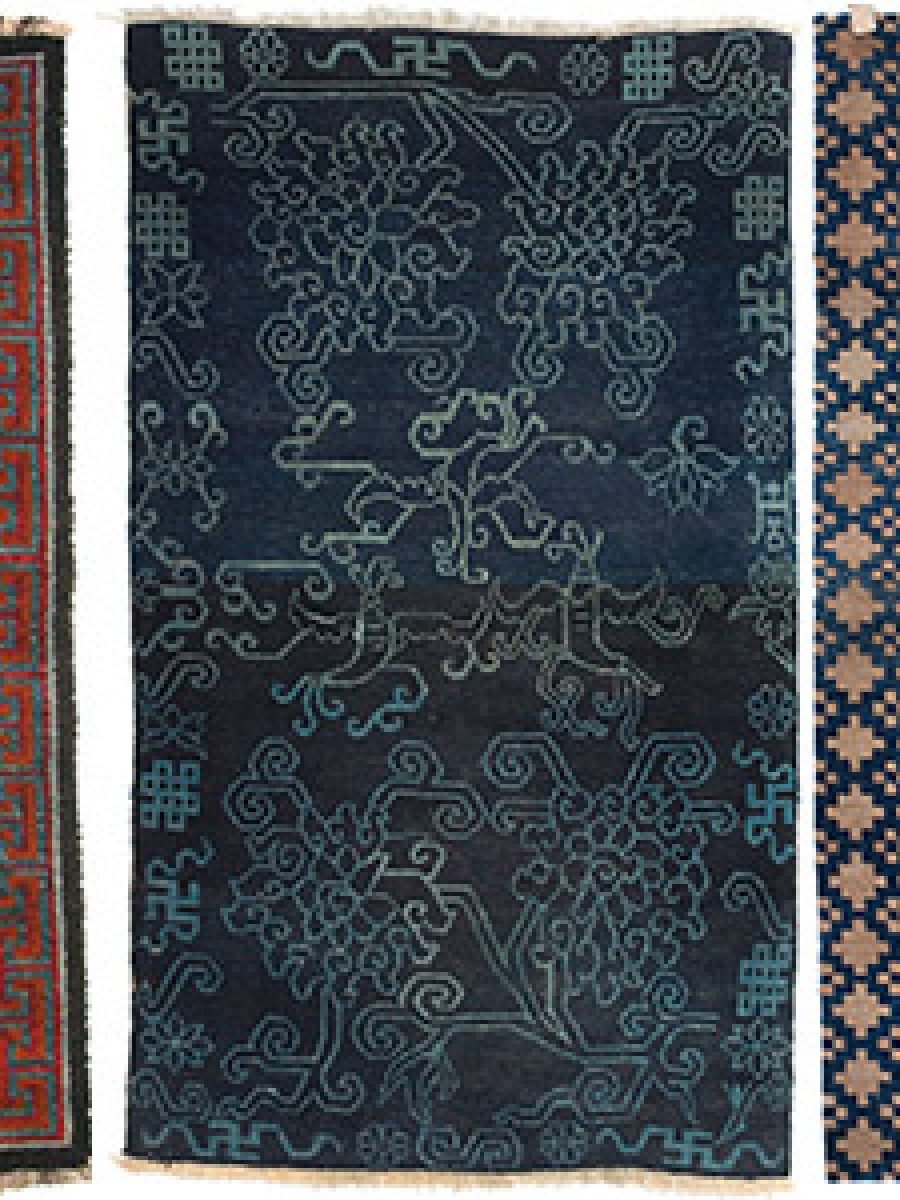 Tibetan Carpets
3 pieces · Hand-knotted in Jawalakhel
Tibetan Carpets
3 pieces · Hand-knotted in Jawalakhel
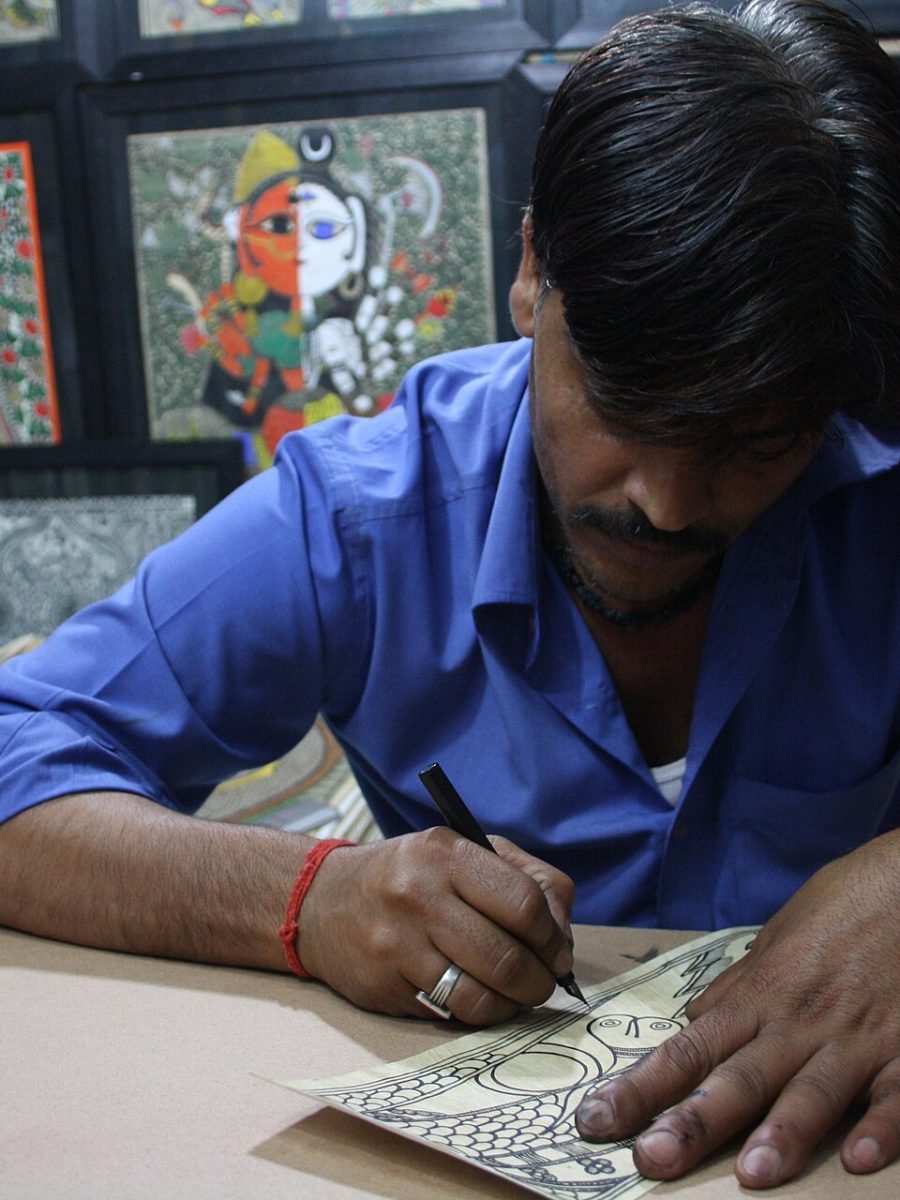 Mithila Painting
3 pieces · Painted in Janakpur
Mithila Painting
3 pieces · Painted in Janakpur
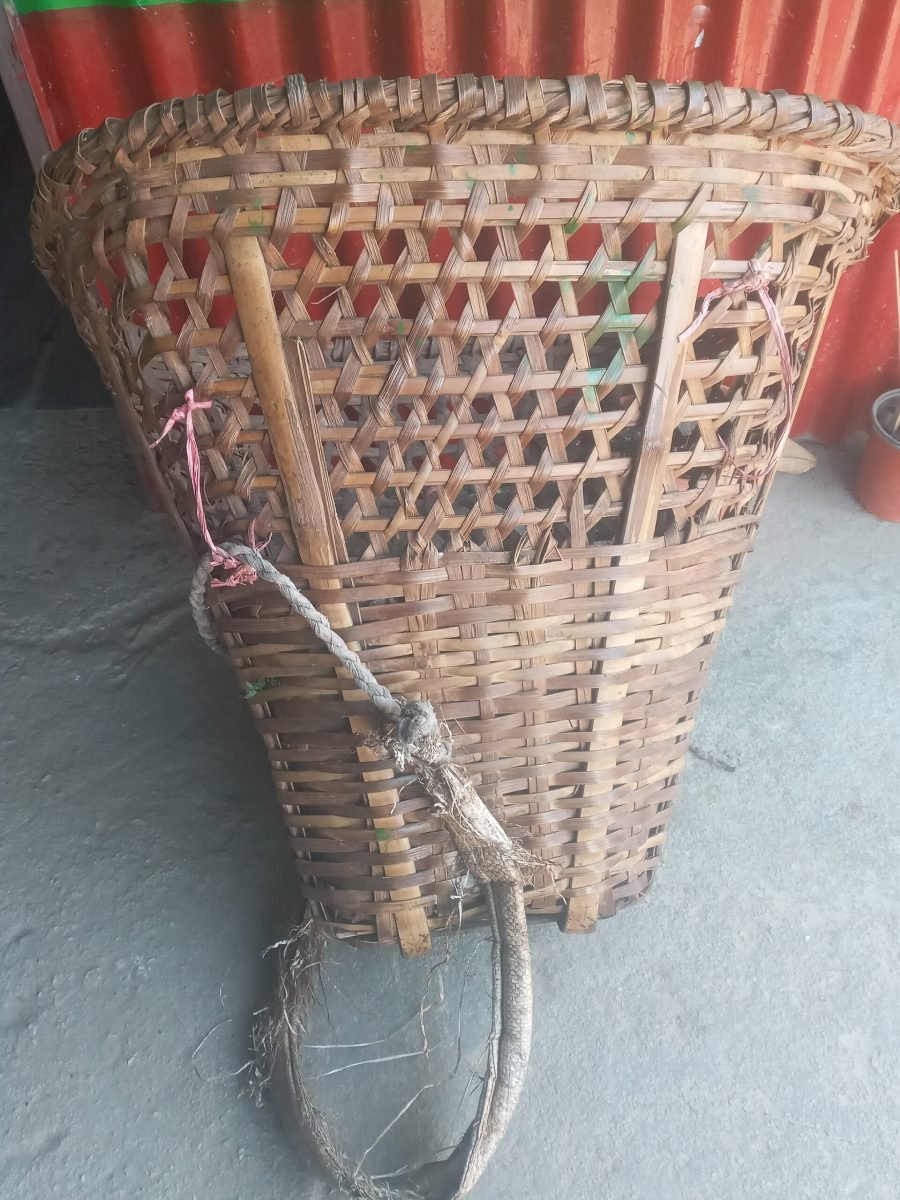 Bamboo & Cane
3 pieces · Woven in the Terai
Bamboo & Cane
3 pieces · Woven in the Terai
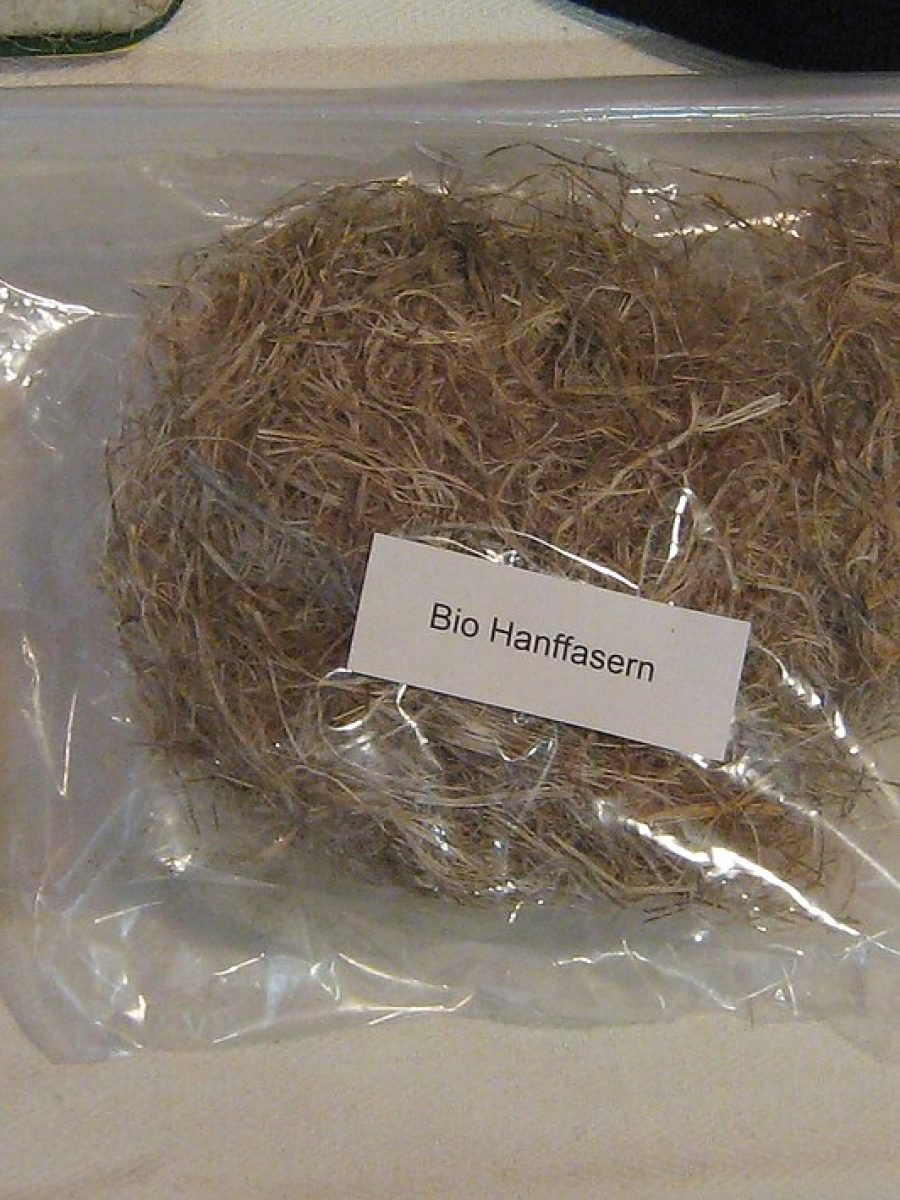 Hemp & Allo
3 pieces · Nettle fibre from the hills
Hemp & Allo
3 pieces · Nettle fibre from the hills
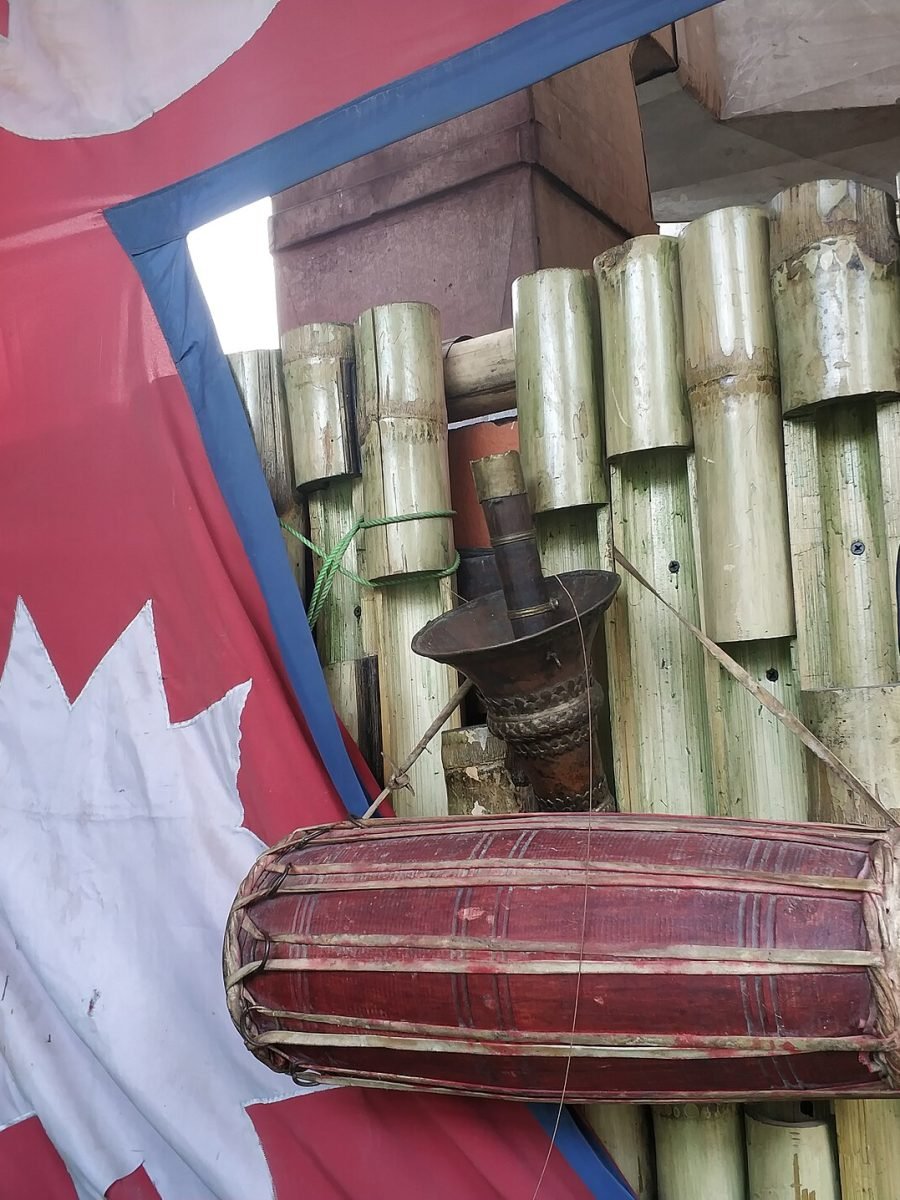 Musical Instruments
4 pieces · Made in Kathmandu
Musical Instruments
4 pieces · Made in Kathmandu
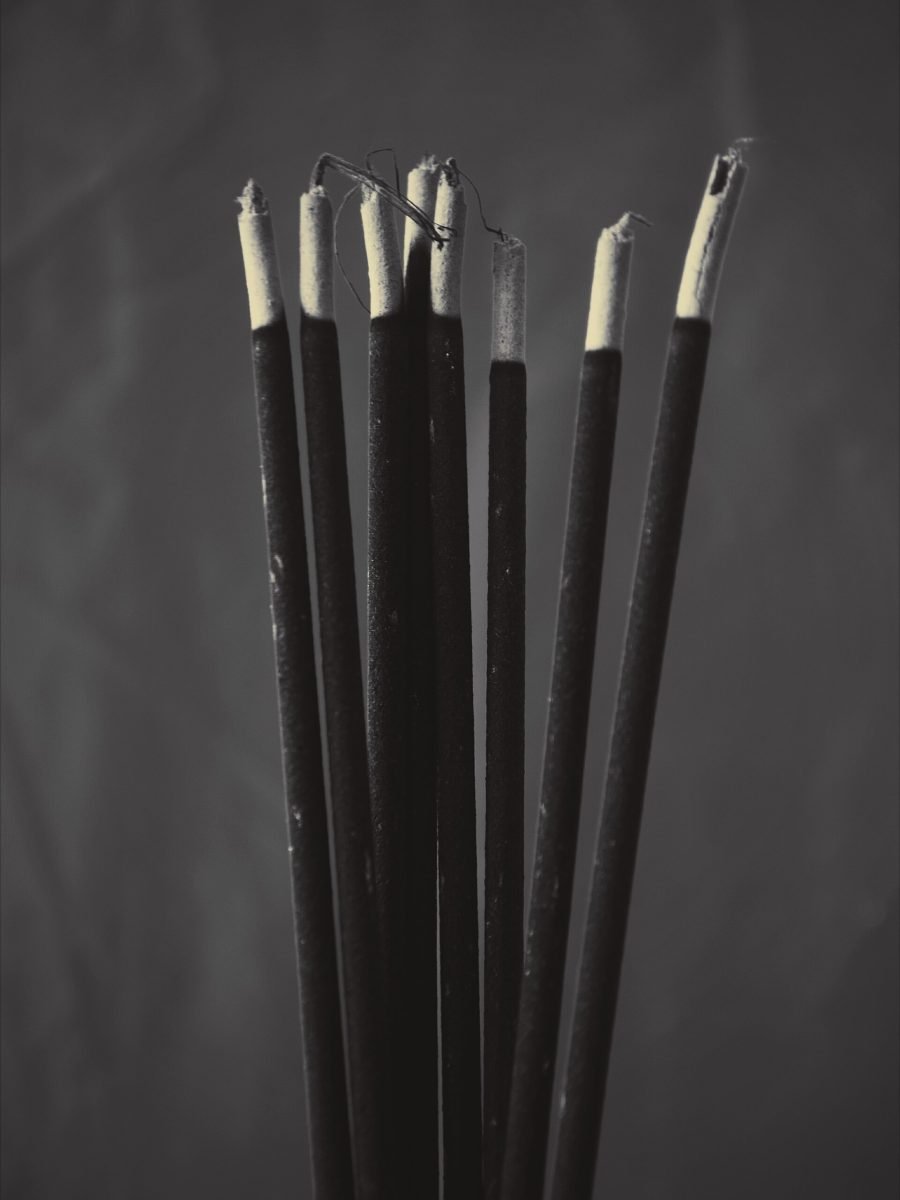 Incense & Herbs
3 pieces · Rolled in Kathmandu
Incense & Herbs
3 pieces · Rolled in Kathmandu
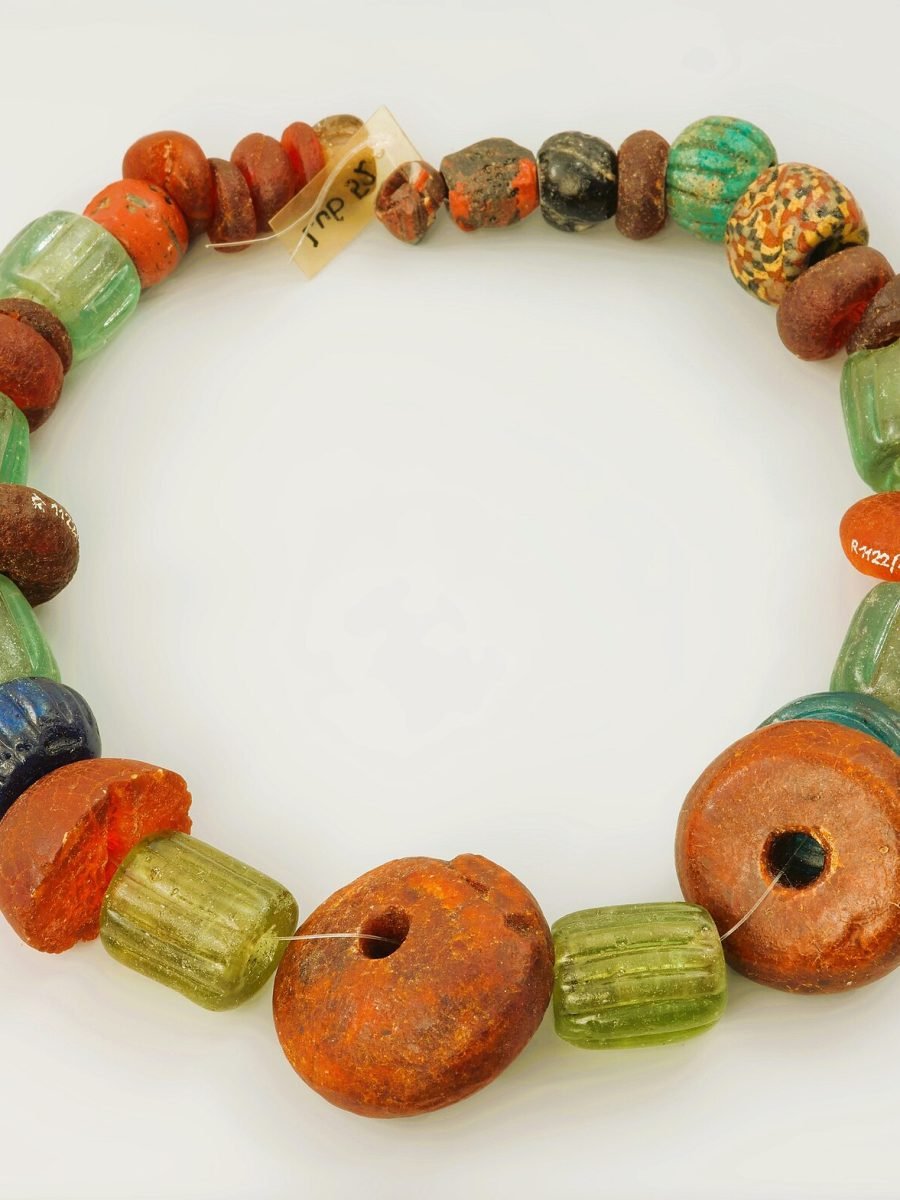 Bead Jewellery
3 pieces · Strung in Indrachowk
Bead Jewellery
3 pieces · Strung in Indrachowk
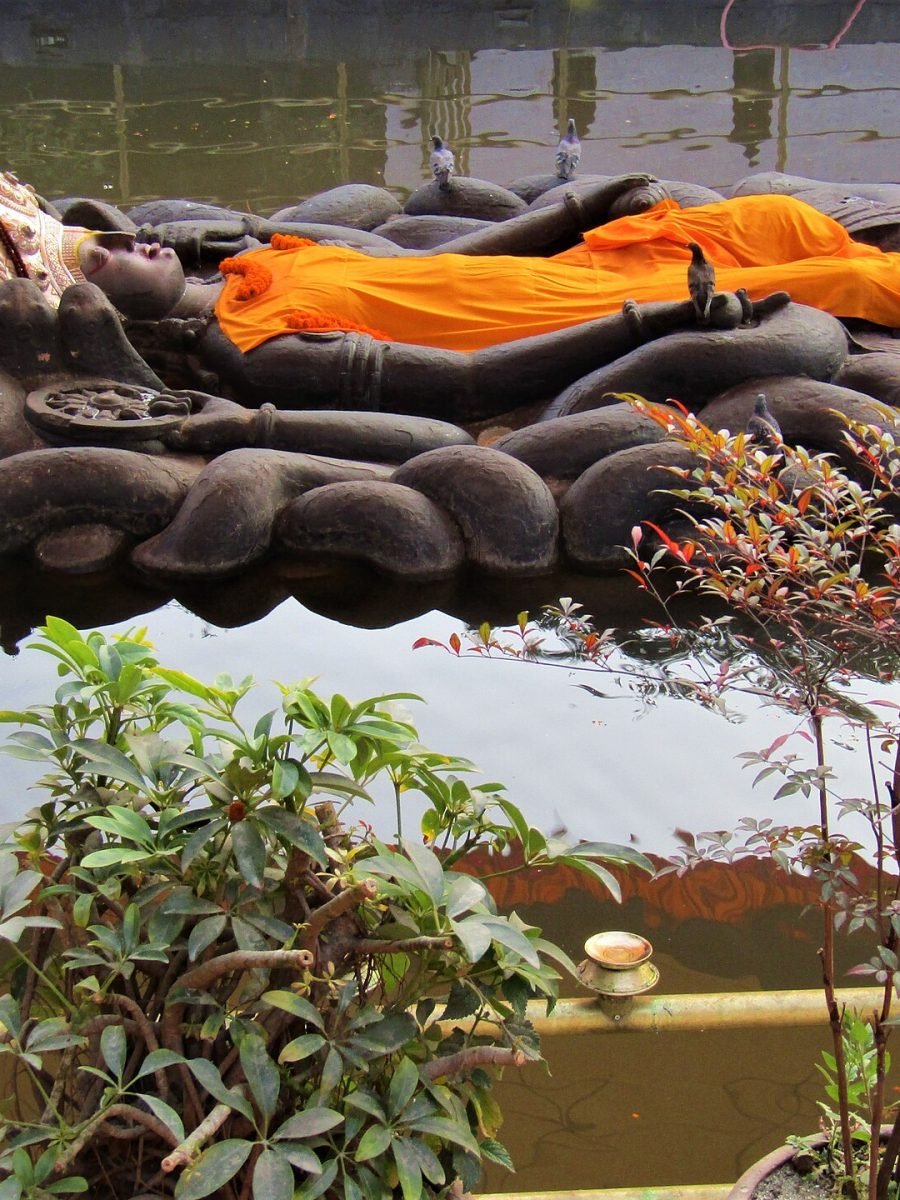 Stone Carving
3 pieces · Carved in Patan
Stone Carving
3 pieces · Carved in Patan
Singing Bowls
Hand-beaten in Patan
A singing bowl is raised from a single disc of bronze by four or five people swinging hammers in rotation, then tuned by ear. Machine-spun bowls are perfectly round and sound thin; a hand-beaten bowl carries visible hammer marks and a note that keeps unfolding for half a minute after you strike it. Every bowl here was struck, listened to, and chosen.
5 pieces →Thangka Paintings
Painted in Boudha
Thangka is scroll painting on cotton, drawn to a strict iconometric grid and coloured with stone pigments — malachite, lapis, cinnabar — bound in animal glue. A detailed piece takes one painter between six weeks and a year. We buy only from painters we can name, and we tell you how long each one took.
3 pieces →Statues & Metalwork
Lost-wax cast, Patan
The Shakya families of Patan have been casting by the lost-wax method for centuries. The piece is modelled in wax, encased in clay, the wax melted out and metal poured into the void — which means the mould is destroyed to release the casting and no two are identical. Finishing, chasing and gilding are all done by hand afterwards.
5 pieces →Pashmina & Cashmere
Handwoven in Kathmandu
Real pashmina is the undercoat of the Changthangi goat, combed out by hand in the high Himalaya at around 12–15 microns. It is warm, weightless and gets softer with wear. Most "pashmina" sold to tourists is viscose. Everything in this section states its exact fibre blend, because the difference is the entire point.
4 pieces →Dhaka Textiles
Handloom, Palpa
Dhaka is Nepal's own geometric handloom cloth, woven on a treadle loom with a separate shuttle for every colour block. The topi — the Nepali cap — is its most famous use, but the same cloth becomes shawls, runners and bags. A skilled weaver manages a few centimetres an hour.
3 pieces →Lokta Paper
Bark paper from Baglung
Lokta is made from the inner bark of a Himalayan daphne shrub that regenerates in four to six years, so harvesting it does not kill the plant. The fibre is long and interlocked, which is why lokta documents in Nepali archives have survived a thousand years without going brittle. It is naturally insect-resistant.
4 pieces →Felt & Wool
Hand-felted in Kathmandu
Wet felting uses nothing but wool, hot water, soap and a great deal of rubbing. No spinning, no weaving, no stitching — the fibres simply lock together. Nepal's felt workshops are overwhelmingly staffed by women and are among the country's better-paid craft jobs.
4 pieces →Wood Carving
Newari carving, Bhaktapur
Newari carving is the craft behind Bhaktapur's temple windows and struts, worked mostly in sal and teak with chisels and no power tools. The vocabulary of motifs — lattice, lotus, peacock, guardian — has been carried down through carving families for generations.
3 pieces →Jewellery & Malas
Silver, turquoise, rudraksha
Nepali silverwork leans on granulation, repoussé and stone-setting in turquoise, coral and lapis. Malas — prayer strings of 108 beads — are strung in rudraksha seed, bodhi seed, sandalwood or bone, with a guru bead marking the start.
3 pieces →Thimi Pottery
Wheel-thrown in Thimi
Thimi, between Kathmandu and Bhaktapur, is a potters' town. Local black clay is thrown on a heavy hand-spun wheel and fired in open straw kilns, which is what gives the ware its smoky, uneven blacks. Nothing is glazed; the surface is burnished with a stone before firing.
3 pieces →Prayer Flags & Ritual
Block-printed cotton
Lungta prayer flags are printed from hand-carved wooden blocks in the fixed order blue, white, red, green, yellow — sky, air, fire, water, earth. They are meant to fade: the belief is that the wind carries the printed prayers outward as the ink weathers away.
3 pieces →Tibetan Carpets
Hand-knotted in Jawalakhel
The Tibetan knot is unusual: the weaver loops yarn around a metal rod laid across the warp, then cuts the row free, which produces a dense pile very fast compared with a Persian knot. Jawalakhel in Lalitpur has been the centre of the trade since Tibetan refugees settled there in 1960, and the carpets are still washed in the river and dried on the roof.
3 pieces →Mithila Painting
Painted in Janakpur
Mithila — or Madhubani — painting comes from the Maithil communities of Nepal's southern plains, traditionally applied by women to the walls and floors of their homes for weddings and festivals. The style has no perspective and no empty space: every gap is filled with line, and the figures are outlined twice.
3 pieces →Bamboo & Cane
Woven in the Terai
Bamboo splitting is the whole skill. A culm is quartered, the strips shaved to an even thickness by eye against a knife held in the toes, and only then woven. The doko carrying basket, the nanglo winnowing tray and the mudha stool are the three forms every Nepali household knows.
3 pieces →Hemp & Allo
Nettle fibre from the hills
Allo is Himalayan giant nettle, harvested at 1,500–3,000 metres, retted, beaten and hand-spun into a strong linen-like yarn. Hemp is worked the same way. Both are ancient Nepali fibres, both are grown without irrigation or pesticide, and both soften remarkably after a few washes.
3 pieces →Musical Instruments
Made in Kathmandu
The madal is the two-headed drum at the centre of Nepali folk music, its heads tuned with a black paste that damps one side to a lower pitch. The sarangi is carved from a single block of khirro wood and bowed with horsehair. Both are made by hand, by ear, by families who have made nothing else.
4 pieces →Incense & Herbs
Rolled in Kathmandu
Himalayan incense is not a perfumed stick on a bamboo splint. It is powdered aromatic plants — juniper, sal resin, spikenard, rhododendron, sandalwood — bound with a little water and rolled into a self-supporting rope or stick. Nothing is dipped in fragrance oil.
3 pieces →Bead Jewellery
Strung in Indrachowk
Pote — fine glass seed beads — are strung in Kathmandu's Indrachowk bead market, where whole shopfronts are nothing but hanging strands of colour. The green pote necklace is worn by married Nepali women; the multi-strand versions are strung to order, bead by bead, while you wait.
3 pieces →Stone Carving
Carved in Patan
Kathmandu Valley has been carving its local grey and black stone since the Licchavi period, and the water spouts, guardian figures and lintels around Patan are the evidence. The tools are a mallet and a handful of tempered chisels, and the work is slow enough to be measured in weeks per hand-span.
3 pieces →