How a Singing Bowl Is Actually Made
Four smiths, one disc of bronze, and a note nobody can predict until the last hammer blow. What separates a hand-beaten bowl from a spun one, and how to hear the difference.
By Yugo Bazar · · 3 min read
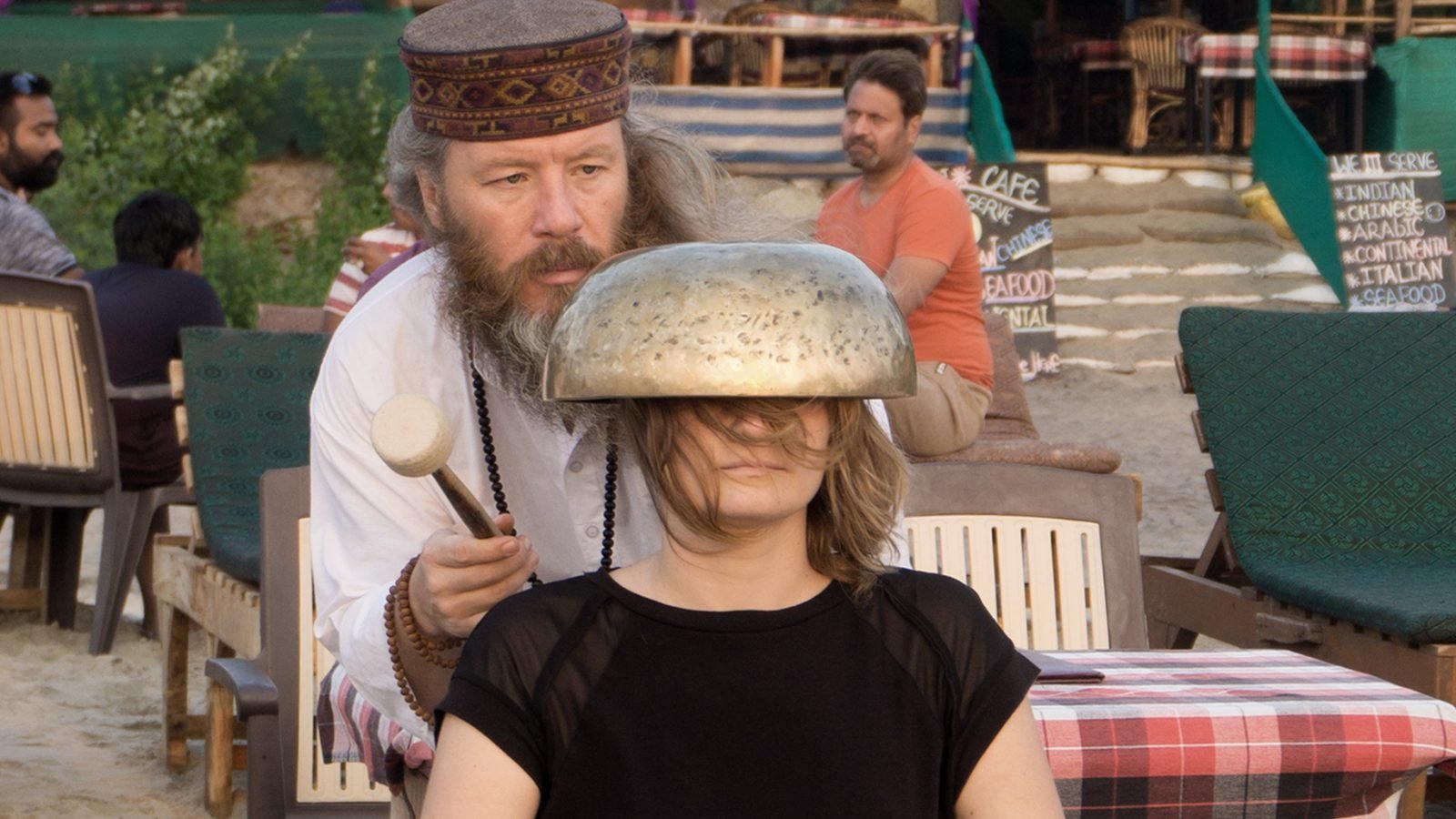
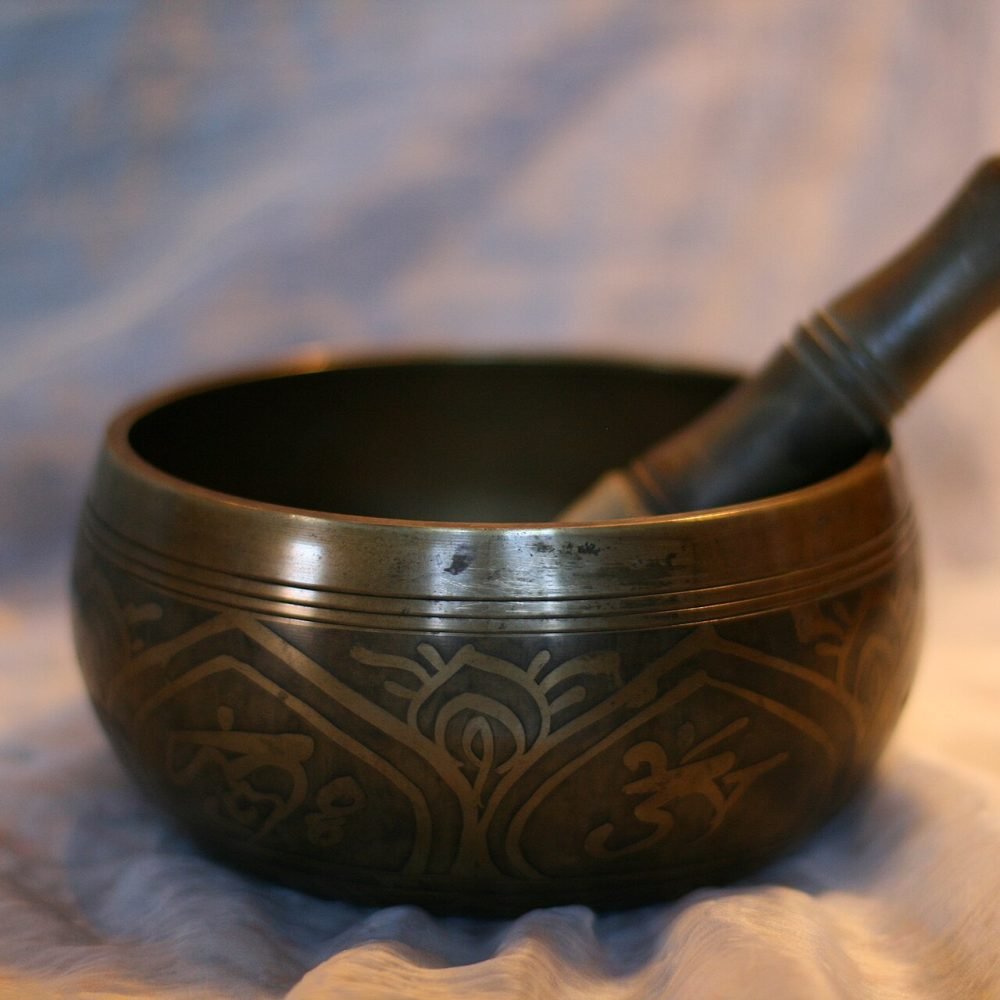
Photo: Alexey Komarov · CC BY-SA 4.0 · Wikimedia Commons
The short version: a hand-beaten singing bowl starts as a flat disc of bronze and is hammered into shape by four or five people working in rotation. A machine-made bowl is spun or cast. Both are bowls. Only one of them has a voice that keeps changing while you listen to it.
The alloy comes first
Traditional Himalayan bowls use what is usually called seven-metal bronze. The working body is copper and tin — around 78/22, close to true bell bronze — with small quantities of gold, silver, iron, lead and zinc. Whether the trace metals affect the sound is genuinely debated. The tin definitely does: it is what gives bronze its long, complex decay instead of the dull thud you get from brass.
Then four people and a lot of heat
The disc is heated until it glows and then struck against a stake anvil, one blow after another in rotation, so the metal is always moving and never left to cool in one spot. Bronze work-hardens as you beat it — the crystal structure locks up and the metal turns brittle — so the piece has to be reheated and quenched repeatedly through the process. Annealing, in the trade.
A full-size bowl takes most of a working day and passes through the hands of the whole team. You can hear the rhythm of it from three streets away in Patan.
Nobody knows what note it will be
This is the part people find hardest to believe. The pitch of a bowl comes from the thickness and evenness of its wall, and in hand-raising, that emerges from the work rather than being set in advance. The smiths aim for a rough range. What they actually get is discovered at the end, by striking it.
Which is why hand-beaten bowls are sorted by ear after the fact rather than made to order in a specified key. If a shop offers you a hand-beaten bowl in any note you like, in any size you like, in stock, ask more questions.
How to tell them apart
- Look at the outside in raking light. Hand-beaten bowls carry visible hammer facets, slightly irregular, all over the wall. Spun bowls have concentric turning lines — perfectly parallel rings.
- Check the rim for thickness variation. Run a finger round. Hand-raised rims are never quite even.
- Listen for how long, not how loud. A good hand-beaten bowl will still be audible thirty to forty seconds after a strike, and the tone will shift as different overtones drop away at different rates. A thin spun bowl gives you a bright hit and then silence.
- Listen for wobble. A slow pulsing beat in the sustain is normal and desirable in a hand-raised bowl — it comes from the wall being slightly asymmetric. A perfectly steady, pure tone usually means machine work.
On antique bowls
Almost every "antique" singing bowl offered to visitors in Kathmandu is a new bowl given a chemical patina. This is not necessarily fraud — aged finishes are a legitimate style — but it becomes fraud the moment it is priced as an antique. Genuinely old bowls exist, are rare, and cost accordingly. We sell aged-finish bowls and we label them exactly that.
What to actually buy
If you are choosing your first bowl: go bigger than you think, take the lowest note you can afford, and prefer thadobati (straight-walled) over the shallow modern shape. Small high bowls are lovely bells and poor drones, and most people who buy one small bowl end up buying a large one a year later.